Connect with us

Blogs

Things to Do in Castle Combe: Best Attractions, Walks and Places to Visit

Published

on

Things to Do in Castle Combe

If you are searching for the best things to do in Castle Combe, you are heading toward one of the most photogenic villages in the Cotswolds. Located in Wiltshire on the southern edge of the Cotswolds, Castle Combe is famous for its honey-coloured stone cottages, winding lanes, historic buildings, Market Cross, peaceful By Brook and beautiful surrounding countryside. The village has a long history stretching from an earlier hill fort and Roman occupation through its medieval development and wool industry, and many of its traditional buildings have been carefully preserved. Unlike a large tourist town filled with attractions on every corner, Castle Combe is best enjoyed slowly. Much of the experience comes from walking through the historic village, appreciating the architecture, photographing the scenery, visiting St Andrew’s Church and exploring the countryside beyond the main street. The official village website describes Castle Combe as a living village rather than a film set, which is an important distinction for visitors: the beautiful cottages and lanes are also people’s homes, so responsible sightseeing is part of having a good experience.

1. Explore the Historic Castle Combe Village

One of the best things to do in Castle Combe is simply to explore the village on foot. The lower village is compact, making it easy to wander between the stone cottages, bridges, lanes and historic landmarks without needing to rush from one attraction to another. The traditional Cotswold architecture is one of Castle Combe’s greatest attractions, with golden stone walls, old roofs, small gardens and picturesque streets creating the kind of scenery that makes the village feel almost like a film set. The official village history explains that Castle Combe developed into an important medieval wool centre, with local cottages connected to spinners and weavers and the By Brook providing water power for mills. As you walk, take time to look beyond the most obvious viewpoints because the charm of Castle Combe comes from small details: stone doorways, old walls, bridges, flowers, streams and changing views along the narrow roads. A relaxed walking tour is often more rewarding than trying to complete a long checklist of attractions.

2. See the Famous Market Cross

The Market Cross is one of the most recognizable landmarks in Castle Combe and should be included on almost every first visit. Positioned at the heart of the historic village, the cross reflects Castle Combe’s medieval trading history and provides an excellent starting point for exploring the surrounding streets. From here, you can begin walking toward the lower village and the By Brook while appreciating the traditional buildings that surround the central area. It is also one of the natural places to pause for photographs because it captures the historic character that makes Castle Combe so distinctive. Rather than simply taking one quick photograph and moving on, spend a few minutes looking at the surrounding architecture and considering how the Market Cross fits into the historic layout of the village. This is particularly worthwhile for visitors interested in English village history, architecture and photography.

3. Walk Along the By Brook

For many visitors, walking beside the By Brook is one of the most enjoyable things to do in Castle Combe. The stream runs through the village and adds another layer to the already picturesque scenery, particularly where the water, stone cottages, bridges and greenery come together. The brook also has historical significance because it provided a water source that helped power mills during Castle Combe’s medieval wool-making period. A walk along the brook gives you a different perspective from the main street and provides some of the classic views associated with Castle Combe. The sound of flowing water and the surrounding greenery can make this part of the visit feel especially peaceful, particularly outside the busiest periods of the day. If photography is one of your reasons for visiting, the combination of the brook and traditional cottages offers numerous opportunities for landscape and architectural photographs.

4. Visit St Andrew’s Church

Another important Castle Combe attraction is St Andrew’s Church, a historic building that provides an opportunity to experience the village’s heritage beyond its famous exterior views. The church dates back to the medieval period and contains architectural and historical features including medieval stonework, stained glass, a rare faceless clock and the tomb of Sir Walter de Dunstanville. The peaceful churchyard also contrasts nicely with the busier areas of the village, making it a worthwhile stop for anyone interested in history, architecture or local heritage. When visiting historic religious buildings, remember that they remain places of worship and should be treated respectfully. Taking a few quiet moments to appreciate the building and its surroundings can add considerable depth to a Castle Combe visit because it helps explain the long history behind the picturesque streets you have just explored.

5. Take a Castle Combe Countryside Walk

If you have more time than a quick village visit allows, consider exploring the countryside surrounding Castle Combe. The village itself is small, but its location provides access to attractive rural landscapes, footpaths, streams and neighbouring villages. The official visitor guidance specifically recommends looking beyond the main street and exploring surrounding countryside, nearby villages and lesser-known footpaths. Walking is particularly appealing because it allows you to experience the landscape at a slower pace while seeing parts of the area that cannot be appreciated from a car. Before setting off, check the route, weather and ground conditions, wear suitable footwear and follow signed public paths. Some countryside areas may involve uneven ground, mud or livestock, so visitors should follow local instructions and keep dogs under control where required.

6. Photograph Castle Combe’s Famous Cottages

Castle Combe is an excellent destination for photographers, whether you use a professional camera or simply a smartphone. The combination of honey-coloured stone cottages, narrow streets, greenery, the By Brook and historic landmarks creates countless opportunities for photographs. The village is also associated with film and television productions, and Wiltshire tourism information highlights appearances in productions including Stardust, The Wolf Man and War Horse. Early morning and late afternoon can be particularly attractive times for photography because the village can be quieter and the changing light can add depth to the stone buildings. However, photography should always be respectful because Castle Combe is a residential community. Visitors are asked to remain on public roads and footpaths, avoid private gardens and driveways, and avoid blocking roads or paths while taking pictures.

7. Experience Castle Combe Circuit

For something completely different from historic cottages and countryside walks, consider visiting Castle Combe Circuit. The circuit adds a motorsport dimension to a destination otherwise known for peaceful rural scenery. Visit Wiltshire describes Castle Combe Circuit as an attraction for people looking for “ultimate motoring thrills,” while the circuit is also frequently included among activities in the wider Castle Combe area. Depending on the event calendar, motorsport enthusiasts may be able to watch racing or attend other activities at the circuit. Because events and access can vary, visitors interested in the circuit should check the current schedule before planning their trip. Including the circuit in a wider itinerary can be an especially good option for families, car enthusiasts and visitors who want to combine traditional Cotswold sightseeing with something more energetic.

8. Enjoy Food and Drink in Castle Combe

After walking through the village, taking photographs and exploring the surrounding countryside, stopping for food or a drink can make the visit more relaxing. Castle Combe has several places where visitors can enjoy traditional pub food, meals, coffee or refreshments. Among the local options are The Castle Inn, The Salutation Inn and The Old Stables. These businesses can be useful additions to an itinerary, particularly if you are spending several hours in the area rather than simply stopping for a quick photograph. If you are planning to eat at a particular establishment, it is sensible to check its current opening times and availability before travelling because local business hours can change seasonally.

9. Consider an Overnight Stay

Although Castle Combe can be visited as a short day trip, staying overnight can give you a very different experience. The official village guidance notes that Castle Combe is not usually an all-day destination by itself, but it can work well as a base for exploring the wider Cotswolds and surrounding attractions. An overnight visit also gives you the opportunity to experience the village during quieter periods rather than arriving during the busiest part of the day. The Manor House is one of the notable accommodation options in the village, while visitors looking for other accommodation can explore options in surrounding towns and villages. If you choose to stay, remember that some areas and facilities associated with private accommodation are reserved for guests; for example, the official village map notes that the Manor House grounds are restricted to hotel guests unless visitors have an appropriate reservation.

10. Explore Nearby Cotswolds and Wiltshire Attractions

One of the advantages of visiting Castle Combe is that it can easily become part of a larger Cotswolds or Wiltshire itinerary. Nearby destinations include villages and attractions such as Lacock, while Wiltshire offers major historic and cultural destinations including Avebury, Salisbury and other countryside attractions. This makes Castle Combe particularly useful for travellers who do not want to spend an entire holiday in one village. You could combine a morning exploring Castle Combe with an afternoon at another nearby attraction, or use the village as one stop on a wider Cotswolds road trip. Planning your route in advance is worthwhile because the best combination will depend on your interests, transportation and how much time you have available.

11. Visit at a Quieter Time of Day

Timing can make a major difference to your experience of Castle Combe. Because the village is extremely small and attracts many visitors, the official guidance warns that summer and Bank Holiday periods can become particularly busy. The village authorities recommend considering weekdays, shoulder seasons and quieter periods such as early morning or late afternoon. Visiting at a quieter time can make it easier to appreciate the peaceful character of the village, take photographs without obstructing other visitors and enjoy the historic streets without feeling rushed. If your schedule is flexible, spring, autumn or winter may offer a particularly atmospheric experience, although you should always check weather conditions before setting out for countryside walks.

12. Park Responsibly and Explore on Foot

Parking is one of the most important practical considerations when visiting Castle Combe. The official village guidance says parking is limited and can fill quickly, particularly during busy periods, and recommends using the designated visitor car park rather than attempting to drive into the narrow lower village. Once parked, walking is generally the best way to explore the historic centre because many of the roads are narrow and the village is compact. Visitors are also asked not to park across driveways, on grass verges or pavements, or anywhere that could obstruct residents, deliveries or emergency vehicles. Responsible parking is not simply a convenience issue; it helps protect the character and accessibility of a village that remains home to a small local community.

13. Make Your Castle Combe Visit Responsible

A good Castle Combe itinerary should include responsible tourism as well as sightseeing. The village is a living community rather than an open-air museum, meaning that the cottages, gardens and lanes you see belong to real residents. Visitors are asked to remain on public roads and footpaths, respect private property, keep noise down and avoid climbing historic walls or structures. Taking litter home or placing it appropriately in available bins, keeping dogs under control and following countryside signs are simple ways to help preserve the village. These small actions matter because Castle Combe’s attraction comes precisely from its historic authenticity and peaceful atmosphere. Treating the village respectfully helps ensure that future visitors can enjoy the same character.

A Simple Castle Combe Day-Trip Itinerary

If you only have one day for Castle Combe, a simple itinerary can cover the highlights without making the experience feel rushed. Begin by arriving at the designated visitor parking area and walking into the historic village. Start around the Market Cross, then continue through the picturesque streets toward the lower village and spend time beside the By Brook. From there, visit St Andrew’s Church, explore the surrounding lanes and take photographs from public viewpoints. After your village walk, stop for lunch, coffee or refreshments at one of the local establishments before deciding whether to continue with a countryside walk or visit Castle Combe Circuit. If you have additional time, expand the trip by visiting nearby Wiltshire or Cotswolds destinations such as Lacock. This approach works particularly well because Castle Combe is compact; rather than trying to manufacture a full day of sightseeing inside the village, you can combine its historic core with countryside and nearby attractions.

Best Things to Do in Castle Combe for Different Travelers

Castle Combe can appeal to different types of visitors for different reasons. Photographers will enjoy the cottages, Market Cross, By Brook and historic streets, while history lovers can focus on the village’s medieval heritage and St Andrew’s Church. Walkers can explore the countryside and surrounding footpaths, while motorsport enthusiasts can add Castle Combe Circuit to their itinerary. Couples may appreciate a relaxed walk followed by food or an overnight stay, while families can combine village sightseeing with outdoor exploration and nearby attractions. The important thing is not to expect Castle Combe to behave like a large tourist attraction with dozens of indoor activities. Its greatest strength is its atmosphere, architecture, countryside and history.

Is Castle Combe Worth Visiting?

Yes, Castle Combe is worth visiting if you enjoy historic villages, architecture, photography, walking and traditional Cotswold scenery. Its appeal is not based on having a huge number of attractions but on the quality of the experience. The official village website describes it as a historic conservation village whose character is best appreciated by wandering its streets and exploring the surrounding countryside. The village’s small scale can actually be an advantage because visitors can see its principal sights without spending hours travelling between attractions. If you combine Castle Combe with nearby villages, countryside walks, food or attractions such as Castle Combe Circuit, it can become an especially rewarding part of a wider Wiltshire or Cotswolds itinerary.

Conclusion

Castle Combe is one of those destinations where the journey through the village is itself the attraction. From the historic Market Cross and beautiful By Brook to St Andrew’s Church, traditional Cotswold cottages, countryside paths and the nearby Castle Combe Circuit, there are plenty of ways to build an enjoyable visit around the village. The best approach is to slow down rather than rush: walk the historic streets, appreciate the architecture, take photographs respectfully, enjoy local food and explore beyond the village if you have additional time. Because Castle Combe is a living residential community, responsible travel is essential, particularly when it comes to parking, photography, noise, litter and respecting private property. Whether you are planning a short Cotswolds stop, a romantic getaway, a photography trip or a wider Wiltshire road trip, Castle Combe offers a memorable combination of history, scenery and traditional English village charm.

Frequently Asked Questions About Things to Do in Castle Combe

What are the best things to do in Castle Combe?

The best things to do in Castle Combe include exploring the historic village, seeing the Market Cross, walking beside the By Brook, visiting St Andrew’s Church, photographing the traditional cottages, exploring nearby countryside and visiting Castle Combe Circuit.

How long do you need in Castle Combe?

For the village itself, you can see the main sights relatively quickly. The official visitor guidance says the average visit lasts just over an hour, although spending longer allows you to enjoy a slower walk, food and the surrounding countryside.

Is Castle Combe worth visiting?

Yes. Castle Combe is particularly worthwhile for people interested in picturesque villages, Cotswold architecture, history, photography and countryside walks. Its compact size also makes it easy to combine with other nearby attractions.

What is Castle Combe famous for?

Castle Combe is famous for its picturesque Cotswold stone cottages, historic village centre, Market Cross, By Brook, St Andrew’s Church and appearances in films and television productions.

Can you walk around Castle Combe?

Yes. Walking is one of the best ways to experience Castle Combe because the historic centre is compact and its narrow streets, cottages, brook and landmarks are best appreciated on foot. The surrounding countryside also provides opportunities for longer walks.

Is Castle Combe good for photography?

Yes. The village offers numerous photographic subjects, including traditional stone cottages, the Market Cross, By Brook, bridges and historic streets. Visitors should photograph respectfully and avoid entering private property or blocking roads and paths.

Where should you park for Castle Combe?

Visitors are encouraged to use the designated visitor car park rather than attempting to park in the narrow lower village. Parking can become limited during busy periods, especially in summer and on Bank Holidays.

What can you do near Castle Combe?

You can explore surrounding countryside and nearby villages, or expand your trip to other Wiltshire and Cotswolds attractions. Castle Combe Circuit is also a nearby option for visitors interested in motorsport.

What is the best time to visit Castle Combe?

For a quieter experience, consider visiting on a weekday, during spring or autumn, or in the early morning or late afternoon. Official local guidance warns that summer and Bank Holidays can be particularly busy.

Can you eat in Castle Combe?

Yes. There are pubs, restaurants and cafés in and around the village, including The Castle Inn, The Salutation Inn and The Old Stables. Check current opening times before visiting.

Is Castle Combe suitable for a Cotswolds day trip?

Yes. Castle Combe works particularly well as a short Cotswolds stop because the village is compact, while its surrounding countryside and nearby attractions allow you to extend your itinerary. The official village guidance also recommends exploring beyond the central streets.

Continue Reading

Blogs

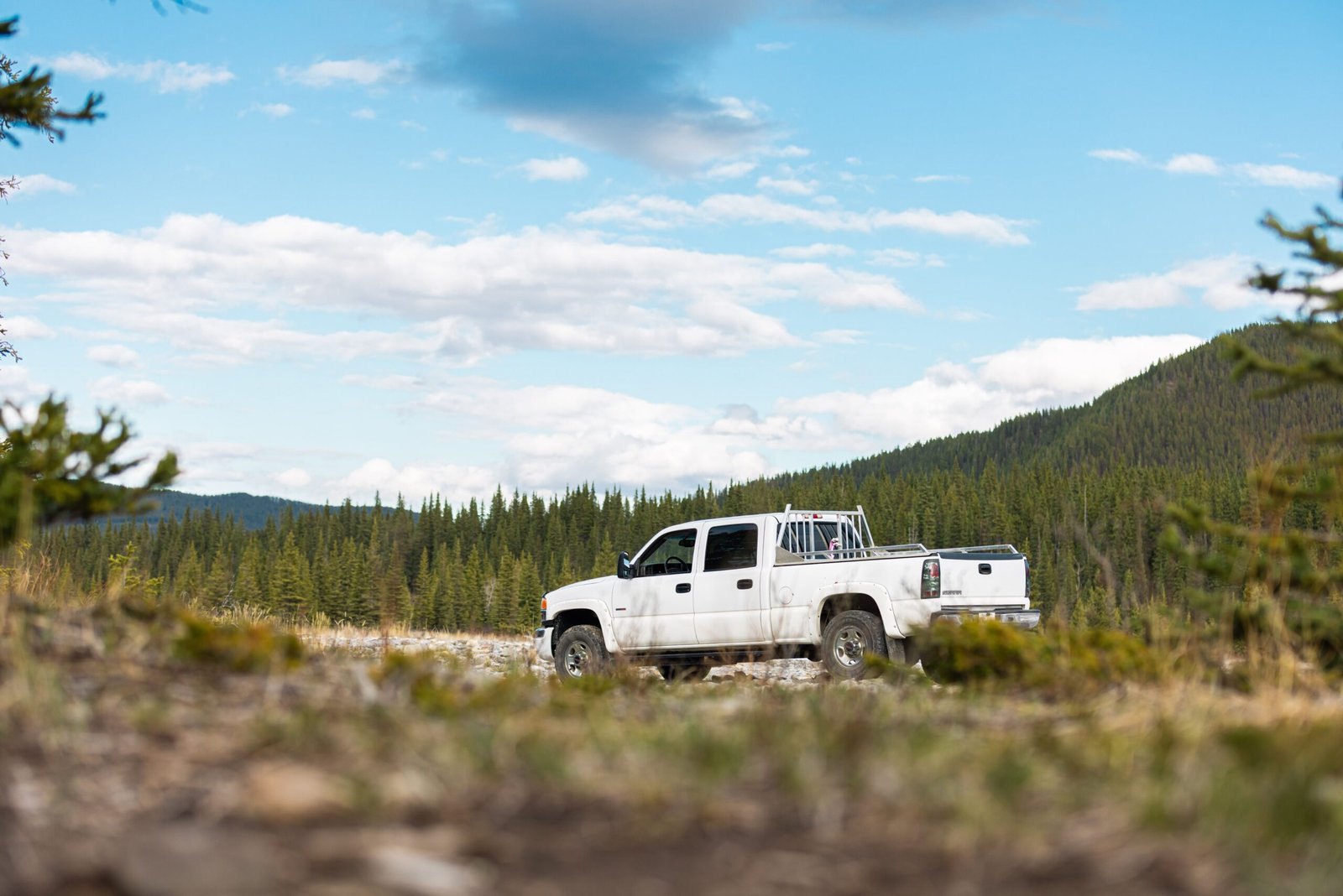
2026 GMC 2500: Complete Guide to the Sierra 2500 HD

Published

on

2026 GMC 2500

The 2026 GMC 2500, more accurately known as the 2026 GMC Sierra 2500 HD, is designed for drivers who need substantially more capability than a conventional half-ton pickup can provide. As part of GMC’s heavy-duty Sierra lineup, the 2500 HD combines a large pickup body with powerful V8 engines, serious towing hardware, advanced trailer technology and a wide selection of configurations. For 2026, the Sierra HD lineup continues to offer a standard 6.6-liter gasoline V8 and an available 6.6-liter Duramax turbo-diesel V8, with both engines connected to a 10-speed automatic transmission.

The appeal of the 2026 GMC 2500 HD is that it is not limited to being a basic work truck. GMC offers the Sierra 2500 HD in configurations ranging from the practical Pro to upscale versions such as Denali and Denali Ultimate, while AT4 and AT4X models add off-road-oriented equipment. This means buyers can configure a truck for construction work, equipment hauling, recreational towing, long-distance travel or a combination of everyday driving and heavy-duty responsibilities. The model also benefits from technology such as available advanced camera systems and ProGrade Trailering technology intended to make the towing process easier to manage.

What Is the 2026 GMC 2500 HD?

The 2026 GMC Sierra 2500 HD sits between the lighter Sierra 1500 and the more heavy-duty-oriented Sierra 3500 HD in GMC’s pickup range. Its purpose is to provide substantial towing and payload capability without requiring every buyer to move into a 3500-series truck. Depending on configuration, the Sierra 2500 HD can be equipped with rear-wheel drive or four-wheel drive, different cab and bed combinations, gasoline or diesel power and several trim levels. This broad configuration strategy makes the truck relevant to both commercial users and private owners who regularly tow large trailers, boats, campers, equipment or other heavy loads.

The 2500 HD also has a distinct advantage for buyers who want a heavy-duty truck that can function as a daily vehicle. Higher trims provide considerably more comfort and technology than traditional work trucks, while the available diesel engine provides the high torque associated with serious towing applications. GMC’s current Sierra HD information lists the Duramax 6.6-liter turbo-diesel V8 at 470 horsepower and 975 lb-ft of torque, while the standard gasoline engine is a 6.6-liter V8.

2026 GMC 2500 Engine Options

One of the most important decisions when considering a 2026 GMC 2500 HD is choosing between the gasoline V8 and the available Duramax diesel. The standard 6.6-liter V8 gasoline engine is paired with a 10-speed automatic transmission and is intended to provide the substantial power needed for heavy-duty applications without the additional complexity and purchase cost associated with the diesel option. For buyers who use their truck for a mixture of everyday driving, occasional towing and hauling, the gasoline powertrain can be a logical configuration because it still provides the basic heavy-duty architecture of the Sierra 2500 HD.

The available Duramax 6.6-liter turbo-diesel V8 is aimed at buyers who place a greater emphasis on towing and high-load operation. GMC lists the engine with 470 horsepower and 975 lb-ft of torque, and it is paired with an Allison 10-speed automatic transmission. That high torque output is particularly relevant when moving substantial trailers or maintaining speed while towing under demanding conditions. The diesel is therefore one of the defining features of the 2026 GMC 2500 HD and a major reason many heavy-duty truck shoppers consider this model rather than a lighter pickup.

2026 GMC 2500 Towing Capacity

Towing capability is one of the central reasons to choose a Sierra 2500 HD. GMC’s specifications show that the exact towing rating varies according to configuration, engine, cab, drivetrain, hitch arrangement and other equipment, so buyers should always check the rating for the exact truck they intend to purchase. GMC lists the 2500 HD Denali with maximum available conventional towing of 20,000 pounds and maximum available gooseneck/fifth-wheel towing of 19,900 pounds in the specified configuration.

The AT4 version demonstrates how dramatically configuration can affect the numbers. GMC lists the 2500 HD AT4 with a maximum available gooseneck/fifth-wheel rating of 21,190 pounds and conventional towing of 20,000 pounds. These figures demonstrate why simply asking for the “2026 GMC 2500 towing capacity” without identifying the configuration can produce an incomplete answer. Trailer weight, tongue weight, payload, passengers, cargo and equipment all need to be considered when determining whether a particular truck is appropriate for a specific towing job.

2026 GMC 2500 Trims

The 2026 GMC Sierra HD family offers several trim levels, allowing the 2500 HD to occupy different roles. The Pro is oriented toward straightforward utility and work use, while the SLE and SLT add equipment and convenience. The AT4 introduces off-road-focused hardware, while the Denali and Denali Ultimate place greater emphasis on premium materials, technology and comfort. GMC also offers the AT4X in the Sierra HD range for buyers looking for more specialized off-road capability.

The 2026 GMC 2500 Denali is particularly notable for buyers who want heavy-duty capability without giving up a premium cabin. GMC lists features including 20-inch wheels, Denali-specific interior trim, wood accents and heated and ventilated power front seats. The available Duramax diesel gives the Denali substantially more low-end torque for demanding towing applications, while available trailering technologies and camera views add convenience when maneuvering a large trailer.

2026 GMC 2500 AT4 and AT4X

For drivers who expect their heavy-duty truck to spend time away from paved roads, the 2026 GMC 2500 AT4 provides an alternative to the more traditional work-focused trims. The AT4 includes an off-road suspension, Rancho shocks and skid plates, along with available trailering technology and an available Duramax diesel. GMC lists the 2500 HD AT4 with 10.1 inches of ground clearance in its specified configuration.

The AT4X takes that approach further with a factory-installed 1.5-inch suspension lift, Multimatic DSSV dampers, a rear electronic-locking differential and 35-inch Goodyear Territory MT tires. GMC lists 11.6 inches of ground clearance for the 2500 HD AT4X. These features make the AT4X substantially different from a conventional road-oriented 2500 HD because its hardware is specifically intended for challenging terrain.

2026 GMC 2500 Interior and Technology

The interior of the Sierra 2500 HD varies considerably according to trim. A work-focused configuration can prioritize durability and functionality, while higher trims provide a much more luxurious environment. GMC offers features such as heated and ventilated front seats, premium materials, advanced infotainment technology and available head-up display technology on selected configurations. The Denali Ultimate goes even further with 16-way power front seats featuring massage functionality and a premium Bose audio system.

Technology is particularly important in a truck this large because towing a long or heavy trailer creates visibility and maneuvering challenges. GMC offers up to 14 available camera views, including a transparent trailer view, while ProGrade Trailering technology is designed to assist with tasks involved in connecting, monitoring and towing a trailer. Available Adaptive Cruise Control with trailering can also account for additional drag and increased braking distances associated with towing.

2026 GMC 2500 Price

Pricing depends heavily on trim, cab configuration, drivetrain, engine and options. Current published sources place the 2026 Sierra 2500 HD in a broad price range because the lineup stretches from basic work-truck configurations to highly equipped luxury models. Cars.com reports 2026 Sierra 2500 pricing beginning around $49,295 including its listed destination charge, while GMC’s current website displays a $47,000 starting figure for the broader Sierra HD lineup. These figures should be treated as configuration- and market-dependent rather than as a single universal transaction price.

At the upper end, the price can increase substantially once buyers select Denali Ultimate, the Duramax diesel, four-wheel drive, premium packages and other equipment. GMC currently lists the Denali Ultimate with a starting price of $94,200 on its website, although exact vehicle pricing can change according to configuration and destination charges.

2026 GMC 2500 vs. 3500 HD

The GMC Sierra 2500 HD and 3500 HD share many fundamental characteristics, but the 3500 is designed to provide greater maximum capacity. GMC’s published specifications show the 3500 HD can reach up to 36,000 pounds of maximum available towing in the appropriate configuration, while the 2500 HD has lower maximum ratings that vary by configuration.

For buyers whose towing requirements consistently approach the upper limits of a 2500 HD, the 3500 HD deserves consideration because selecting the larger truck can provide additional capacity for demanding applications. On the other hand, someone who does not require the maximum available towing capacity may find the 2500 HD better suited to their intended workload. The correct choice ultimately depends on the actual trailer, payload requirements and usage pattern rather than simply choosing the truck with the largest published number.

2026 GMC 2500 for Towing and Work

For professional users, the 2026 GMC 2500 HD offers the combination of a heavy-duty chassis, powerful engines, substantial towing ratings and technology designed specifically around trailer use. Construction workers, contractors, agricultural users, recreational vehicle owners and people who regularly transport heavy equipment can all find applications for a truck in this class. The available diesel engine is particularly relevant for customers who spend significant time towing because its 975 lb-ft of torque is designed for demanding workloads.

At the same time, buyers should avoid selecting a truck based solely on its maximum towing figure. Real-world towing involves payload, passengers, cargo, hitch weight, trailer configuration, road conditions and the truck’s exact equipment. A properly matched 2500 HD can provide considerable capability, but the correct rating should always be checked against the manufacturer’s specifications for the exact vehicle and trailer combination.

Is the 2026 GMC 2500 a Good Heavy-Duty Truck?

The 2026 GMC Sierra 2500 HD combines heavy-duty capability with a broad range of configurations, which is one of its most significant characteristics. Buyers can select a straightforward work truck, a technology-focused mid-level configuration, an off-road AT4 or AT4X, or a luxury-oriented Denali model. Independent automotive reviews have also highlighted the Sierra HD’s strong diesel torque, available technology and wide selection of configurations, while noting that the truck’s size can make parking and maneuvering in tight spaces more difficult.

For someone searching specifically for a 2026 GMC 2500, the most important consideration is matching the truck to the intended job. A buyer who primarily needs towing capability may prioritize the Duramax diesel and appropriate trailering equipment, while someone who uses the truck primarily for work may place more emphasis on payload, bed configuration and practicality. A luxury-oriented buyer may instead focus on Denali equipment and premium interior features.

Conclusion

The 2026 GMC 2500 HD remains a substantial heavy-duty pickup designed for buyers who need more capability than a conventional half-ton truck can provide. Its combination of a 6.6-liter gasoline V8, available 6.6-liter Duramax diesel, 10-speed automatic transmission, sophisticated trailering technology and multiple trim levels gives buyers considerable flexibility. The available diesel produces 470 horsepower and 975 lb-ft of torque, while appropriately configured Sierra 2500 HD models can offer very high towing capacity.

The biggest strength of the 2026 GMC Sierra 2500 HD is its range. It can function as a work-oriented pickup, a powerful towing vehicle, an off-road truck or a premium daily driver depending on the configuration. With Pro, SLE, SLT, AT4, AT4X, Denali and Denali Ultimate options across the Sierra HD family, shoppers should focus on the exact combination of engine, drivetrain, cab, bed and equipment rather than treating every 2500 HD as identical.

Frequently Asked Questions

What is the 2026 GMC 2500?

The 2026 GMC 2500 generally refers to the 2026 GMC Sierra 2500 HD, GMC’s heavy-duty three-quarter-ton pickup. It is positioned below the Sierra 3500 HD and above the Sierra 1500 in terms of heavy-duty capability.

What engine does the 2026 GMC 2500 have?

The 2026 Sierra 2500 HD offers a standard 6.6-liter gasoline V8 and an available 6.6-liter Duramax turbo-diesel V8. GMC lists the Duramax at 470 horsepower and 975 lb-ft of torque. Both engines use a 10-speed automatic transmission.

How much can a 2026 GMC 2500 tow?

The maximum towing capacity depends on the exact configuration. GMC lists up to 20,000 pounds of conventional towing for certain 2500 HD configurations and higher gooseneck/fifth-wheel ratings in specific setups. Always verify the rating for the exact truck and trailer combination.

Does the 2026 GMC 2500 come with a diesel?

Yes. The available Duramax 6.6-liter turbo-diesel V8 is one of the major powertrain options for the 2026 GMC Sierra 2500 HD.

What is the 2026 GMC 2500 Denali?

The Denali is the luxury-oriented Sierra HD trim. It adds premium interior materials, distinctive exterior styling, upscale seating and additional technology while retaining the heavy-duty capability of the Sierra 2500 HD.

What is the 2026 GMC 2500 AT4?

The AT4 is the off-road-oriented version of the Sierra HD. It includes features such as an off-road suspension, Rancho shocks and skid plates, with additional off-road hardware available depending on configuration.

Is the 2026 GMC 2500 different from the 3500 HD?

Yes. Both are heavy-duty Sierra pickups, but the 3500 HD is engineered and configured for higher maximum capacity. GMC lists up to 36,000 pounds of maximum available towing for the Sierra 3500 HD in the appropriate configuration.

Does the 2026 GMC 2500 have towing technology?

Yes. Available features include ProGrade Trailering technology, multiple camera views, transparent trailer view and Adaptive Cruise Control with trailering.

What is the starting price of the 2026 GMC 2500?

Published pricing varies depending on whether destination charges and specific configurations are included. Current sources place the Sierra 2500 HD’s entry pricing around the high-$40,000 range, while premium trims can exceed $90,000 before certain additional costs.

What should buyers consider before choosing a 2026 GMC 2500?

Buyers should consider towing requirements, payload, engine choice, drivetrain, cab and bed configuration, trim level, trailer type and the amount of time the truck will be used for everyday driving versus heavy-duty work. The exact configuration can substantially change both capability and price.

Continue Reading

Blogs

Burghley House: History, Gardens, Tickets, Things to See and Complete Visitor Guide

Published

on

Burghley House

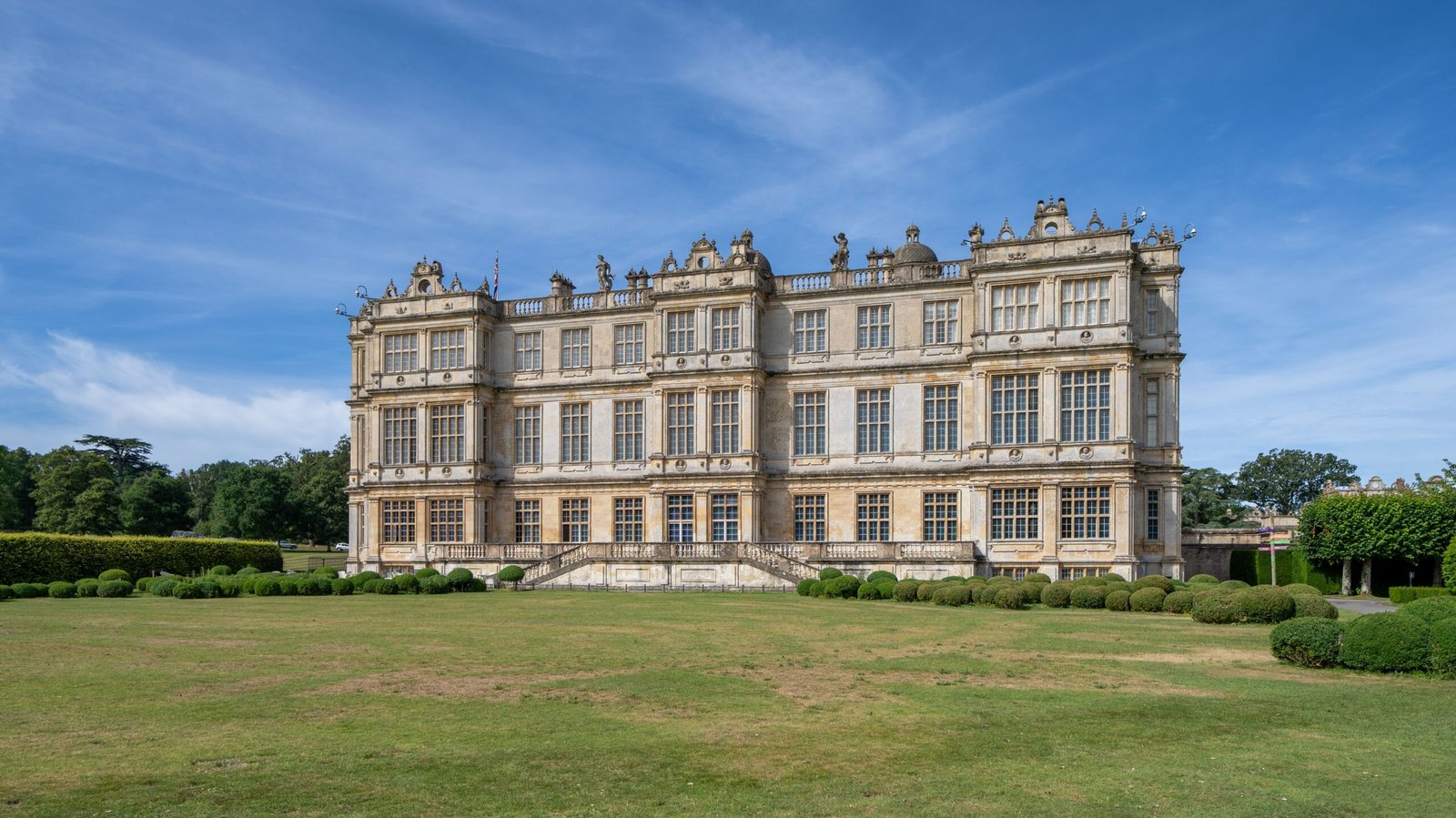
Burghley House is one of England’s most remarkable Elizabethan country houses and an important historic attraction near Stamford in Lincolnshire. Built for William Cecil, Lord High Treasurer to Queen Elizabeth I, construction began in 1555 and continued into the 1580s. Today, the estate combines an extraordinary historic house with impressive State Rooms, art collections, landscaped gardens, extensive parkland and family attractions, creating a destination that offers much more than a traditional historic-house visit. Burghley remains closely connected with the Cecil family and has developed into a major visitor attraction while continuing to preserve its architectural, artistic and landscape heritage.

For anyone searching for Burghley House Stamford, the attraction is particularly interesting because it brings together several different experiences in one estate. Visitors can explore the grand interiors of the house, discover the Garden of Surprises, walk through the Sculpture Garden, enjoy views across the landscape associated with Lancelot “Capability” Brown, and spend time in the surrounding parkland. Its location close to Stamford also makes Burghley an attractive destination for people planning a wider day out in this historic part of England. Whether your interest is architecture, British history, art, gardening, photography, family activities or simply walking through beautiful landscapes, Burghley offers several ways to experience the estate.

The History of Burghley House

The story of Burghley House begins in the reign of Queen Elizabeth I with William Cecil, one of the most influential statesmen of Tudor England. Cecil began constructing the house in 1555, and the work continued for more than three decades. Historic England describes Burghley as one of the most impressive surviving sixteenth-century buildings in England, while noting that the property has remained in the Cecil family throughout its history. The original vision was not simply to create a comfortable residence but to establish a building that reflected status, power and sophistication. Its architecture, imposing towers and elaborate decorative features demonstrate the ambition behind the project.

The estate continued to evolve after William Cecil’s death. Later generations added to the collections, modified the landscape and introduced new architectural and garden features. During the seventeenth century, the grounds underwent substantial changes, including the creation of formal gardens, terraces, ponds and other landscape elements. In the eighteenth century, Lancelot “Capability” Brown became particularly important to Burghley’s landscape history. His work transformed sections of the previously formal landscape into the sweeping naturalistic parkland associated with the estate today. The result is a fascinating combination of Tudor architecture, later decorative developments and eighteenth-century landscape design.

Architecture and the State Rooms

One of the main reasons people visit Burghley House is its remarkable architecture and interiors. The house is a substantial Elizabethan mansion arranged around a courtyard, with towers and distinctive exterior details that contribute to its dramatic appearance. Inside, visitors encounter grand State Rooms containing historic works of art, furniture, ceramics and other objects collected and preserved over generations. Burghley describes the property as a home containing magnificent State Rooms, important works of art and priceless treasures, while its visitor information emphasizes the connection between the building, the Cecil family and more than five centuries of history.

The interiors are especially valuable for understanding how a major English country house developed over several centuries. Rather than representing only one historical period, Burghley contains layers of architectural, artistic and decorative history. Visitors can see features associated with its Elizabethan origins alongside later additions and collections. Among the highlights described by Burghley are the Tudor kitchen, magnificent State Rooms, the Great Hall and the famous Hell Staircase, whose decoration is associated with Antonio Verrio. The combination of architecture, paintings, furniture and decorative arts helps explain why Burghley is regarded as both a historic home and a significant treasure house.

Burghley House Gardens

The Burghley House gardens provide a completely different experience from the interiors of the mansion. The gardens combine historic design ideas, contemporary planting, sculpture and playful features, giving visitors the opportunity to explore the estate at a slower pace. Burghley currently highlights two major garden experiences: the Sculpture Garden and the Garden of Surprises. Each has its own atmosphere, and together they demonstrate how the estate’s landscape has evolved while retaining connections to its historic past.

The Garden of Surprises is particularly distinctive because it draws inspiration from Elizabethan interests in astrology, astronomy and classical civilisation. Hidden features are revealed as visitors move through the garden, including water features, a moss house, a mirrored maze and a longitudinal dial. This makes the garden more interactive than a conventional formal garden and gives families and younger visitors plenty to discover. The Sculpture Garden provides a quieter contrast, functioning as an open-air gallery where contemporary sculpture is displayed among planting, wildflowers, mature trees and views toward the lake.

Capability Brown and Burghley Parkland

The landscape surrounding Burghley is another major part of the estate’s identity. Lancelot “Capability” Brown played a major role in reshaping the park during the eighteenth century, creating broad vistas and a more naturalistic landscape. The Deer Park that visitors see today reflects Brown’s approach, with mature trees, expansive views and the house forming part of the wider composition. The parkland provides an opportunity to experience Burghley without necessarily entering the house itself.

The parkland is also important from a practical visitor perspective because it provides space for walking and outdoor activities. Burghley states that the parkland is open daily from 7am until dusk, and access to the parkland itself is free. Dogs are welcome in the wider parkland but must be kept on leads for the protection of livestock and wildlife. This makes the surrounding landscape useful not only for visitors touring the house and gardens but also for people looking for an enjoyable countryside walk near Stamford.

Things to Do at Burghley House

There are several ways to build a day around Burghley House. A traditional visit can begin with the historic house and State Rooms, followed by time in the gardens and a walk through the parkland. Visitors interested in gardening can devote more time to the Sculpture Garden and Garden of Surprises, while families may want to include the Hide & Secrets Adventure Play attraction. Burghley’s visitor program also includes special events and seasonal activities, meaning the experience can vary depending on the date of your visit.

Guided experiences provide another way to explore the estate. Burghley offers house tours and garden tours for groups, while specialist experiences can focus on the history of the house, its collections, the gardens or the parkland. The estate also offers conservation-focused tours that provide insight into the work required to preserve historic furniture and textiles. For visitors who want more than a self-guided walk through the property, these experiences can provide additional historical and practical context.

Burghley House Tickets and Opening Times

If you are planning a visit, checking the official opening information before travelling is important because opening schedules can change throughout the year. For the 2026 main season, Burghley states that the House, Gardens and Adventure Play remain open through Sunday 1 November, with the Gardens and Adventure Play also reopening for two additional weekends in November. The House is generally open Saturday through Thursday from 10:30am to 4:30pm, while the Gardens and Adventure Play are open daily from 10am to 5pm. The parkland is open daily from 7am until dusk.

Burghley recommends purchasing tickets online in advance, particularly because popular dates can fill up. Its FAQ states that advance online booking can save up to 10 percent when completed by midnight on the day before the visit. The site also explains that parkland access is free and does not require advance booking. Current ticket prices should be checked directly with Burghley before travelling because admission prices and seasonal arrangements can change.

How to Get to Burghley House

Burghley House is located near Stamford in Lincolnshire and is close to the A1. The official address is Burghley House, Stamford, Lincolnshire, PE9 3JY. The estate advises visitors to follow its specific driving directions because some satellite-navigation systems may attempt to route vehicles through parkland roads that are not open to visitors. Free parking is available, and electric vehicle charging points are also available on site.

Public transport is another option for visitors. Stamford railway station is approximately half a mile from the parkland entrance and around 1.5 miles from Burghley House itself. A local Delaine bus service also stops opposite the main visitor entrance on Barnack Road. Visitors can therefore combine a trip to Burghley with time exploring Stamford, making the area particularly suitable for a full day rather than a brief stop.

Burghley House for Families

Burghley is not limited to visitors interested in historic architecture. Families can combine the educational aspects of the house and gardens with dedicated children’s activities. Hide & Secrets Adventure Play provides an outdoor experience alongside the estate’s historic attractions, while the Garden of Surprises offers interactive features that can appeal to younger visitors. This combination means families can divide their day between cultural exploration and outdoor play rather than relying entirely on a traditional house tour.

The parkland also provides additional space for families who want to spend time outdoors. Because the estate includes extensive open landscapes, mature trees and views toward Stamford, it offers opportunities to slow down after exploring the more formal attractions. Families should nevertheless check the current opening arrangements for each individual attraction before visiting because the House, Gardens, Adventure Play and parkland can have different operating schedules.

Why Burghley House Is Historically Important

Burghley House is significant because it represents several centuries of English architectural, political, artistic and landscape history in one location. Its origins are closely connected with William Cecil and the Elizabethan period, while subsequent generations of the Cecil family continued developing the house and its collections. The landscape tells another part of the story, moving from earlier formal designs toward the naturalistic approach associated with Capability Brown. The property therefore provides an unusually broad view of how a major English country estate changed over time.

Its collections are another important part of the experience. Burghley says that many paintings, ceramics and works of art remain in locations where they were recorded historically, helping preserve a connection between the collections and the house itself. This continuity contributes to the atmosphere of Burghley as a living historic estate rather than simply a museum building. Visitors can therefore experience the architecture, objects, gardens and parkland as interconnected parts of the same long history.

Conclusion

Burghley House offers an impressive combination of Tudor history, Elizabethan architecture, fine art, historic interiors, gardens and expansive countryside. Built by William Cecil beginning in 1555, the house has developed over centuries while remaining associated with the Cecil family. Its State Rooms provide an opportunity to explore historic collections and architecture, while the Garden of Surprises and Sculpture Garden offer very different outdoor experiences. Beyond the formal gardens, the parkland shaped by Capability Brown adds another dimension to the visit, providing expansive views and opportunities to walk through the historic landscape.

For anyone planning a trip to Burghley House Stamford, the attraction can easily form the centerpiece of a full day. Checking the official opening times and ticket information before travelling is recommended, particularly because seasonal schedules can vary. With its combination of history, art, architecture, gardens, family attractions and parkland, Burghley remains one of the most distinctive historic destinations in the Stamford area.

Frequently Asked Questions About Burghley House

What is Burghley House famous for?

Burghley House is famous for its Elizabethan architecture, its connection with William Cecil and Queen Elizabeth I’s reign, its historic State Rooms and collections, and its extensive gardens and parkland. It is regarded by Historic England as one of the most impressive surviving sixteenth-century buildings in England.

Where is Burghley House?

Burghley House is near Stamford in Lincolnshire, England. The official postal address is Burghley House, Stamford, Lincolnshire, PE9 3JY. It is close to the A1 and approximately 1.5 miles from Stamford railway station.

Who built Burghley House?

Burghley House was built by William Cecil, Lord High Treasurer to Queen Elizabeth I. Construction began in 1555 and continued into the 1580s.

Can you visit the gardens at Burghley House?

Yes. The gardens include the Garden of Surprises and Sculpture Garden, with different features ranging from interactive water and maze elements to contemporary sculpture and naturalistic planting.

Is Burghley House open in 2026?

Yes. Burghley’s published 2026 schedule states that the main season for the House, Gardens and Adventure Play runs until 1 November 2026, with additional November weekends for the Gardens and Adventure Play. Visitors should check the official opening-times page before travelling.

Is Burghley House suitable for families?

Yes. In addition to the historic house and gardens, Burghley has Hide & Secrets Adventure Play and other family-oriented activities, making it possible to combine historical sightseeing with outdoor entertainment.

Is parking available at Burghley House?

Yes. Burghley states that visitor parking is free, with designated disabled parking and electric vehicle charging points available on site.

Can you walk in Burghley Park?

Yes. The parkland is open daily from 7am until dusk, and access to the parkland is free. Dogs are permitted in the wider parkland but should be kept on leads.

Suggested SEO meta description:
Discover Burghley House near Stamford, including its Elizabethan history, State Rooms, gardens, Capability Brown parkland, tickets, opening times and visitor tips.

Continue Reading

Blogs

Cadillac Small SUV: A Complete Guide to Compact Luxury SUVs

Published

on

Cadillac small SUV

The Cadillac small SUV category has become an interesting part of the luxury vehicle market, particularly as Cadillac transitions from traditional gasoline-powered compact SUVs toward electric vehicles. For years, the Cadillac XT4 represented the brand’s entry into the compact luxury SUV segment, offering a relatively manageable size, premium styling, comfortable seating and the technology expected from a modern Cadillac. However, Cadillac officially lists the XT4 as discontinued in 2025, meaning shoppers looking at the brand’s current small-SUV lineup need to pay attention to the newer Cadillac OPTIQ.

The OPTIQ represents a major change in direction because it is an all-electric luxury SUV positioned in Cadillac’s small-SUV category. Cadillac lists the OPTIQ for the 2026 and 2027 model years, with five-passenger seating, a 15.8-foot overall length, rear-wheel-drive and available all-wheel-drive configurations, and an EPA-estimated 317-mile range for the RWD version. For buyers searching for a Cadillac small SUV, therefore, understanding the difference between the retired XT4 and the current OPTIQ is essential. This guide explores the models, features, performance, practicality, technology and important considerations for anyone researching a compact Cadillac SUV.

What Is the Cadillac Small SUV?

When people search for a Cadillac small SUV, they are generally looking for a vehicle that delivers Cadillac’s luxury design and technology without the size and footprint of an Escalade or other larger SUV. A smaller SUV can make sense for drivers who spend much of their time in urban areas, want easier parking and maneuverability, or simply prefer a vehicle that combines elevated seating with a more manageable exterior footprint. Cadillac itself categorizes the OPTIQ under its small SUVs section and describes it as a compact luxury SUV.

The current answer to the Cadillac small-SUV search is primarily the OPTIQ. It is an electric SUV designed around Cadillac’s modern EV strategy, while the XT4 remains relevant mainly as a recently discontinued model and as a potential used-vehicle option. Cadillac’s official lineup currently shows the OPTIQ alongside larger electric SUVs such as the LYRIQ and VISTIQ, while the company’s recently retired-vehicle page confirms that the XT4 left production in 2025.

Cadillac OPTIQ: The Current Small Cadillac SUV

The Cadillac OPTIQ is the model most relevant to someone searching for a new Cadillac small SUV. Cadillac lists the OPTIQ as a five-passenger luxury electric SUV measuring 190 inches in length, or approximately 15.8 feet. The vehicle is offered with a single-motor rear-wheel-drive configuration or dual-motor all-wheel drive, giving buyers a choice between efficiency-oriented rear-wheel-drive operation and the additional traction and performance potential of AWD.

For buyers focused on driving range, Cadillac lists an EPA-estimated range of up to 317 miles for the RWD OPTIQ. Cadillac also lists an available AWD configuration producing a Cadillac-estimated 440 horsepower and 498 lb-ft of torque. These specifications make the OPTIQ notably different from the traditional gasoline-powered XT4 and demonstrate how Cadillac has moved its small-SUV offering into the electric-vehicle market.

The OPTIQ is also designed to retain the visual character associated with Cadillac. Its exterior uses the brand’s contemporary lighting and grille treatment, while the cabin focuses on digital technology, premium materials and a modern luxury atmosphere. Cadillac highlights available connectivity, safety and driver-assistance technology as part of the OPTIQ experience, making the vehicle more than simply an electric powertrain placed inside a compact SUV body.

Cadillac OPTIQ Performance and Driving Character

Performance is another major part of the OPTIQ story. Unlike many compact luxury SUVs that emphasize efficiency above everything else, the OPTIQ can be configured with dual-motor AWD and substantial electric-motor output. Cadillac estimates up to 440 horsepower and 498 lb-ft of torque for the AWD version, giving the small SUV strong acceleration potential while maintaining the quiet and immediate response associated with electric propulsion.

There is also an especially performance-focused version called the OPTIQ-V. Cadillac’s V-Series information lists the 2026 OPTIQ-V with a dual-motor electric powertrain, Cadillac-estimated 519 horsepower and a 0-to-60-mph time of 3.5 seconds in Velocity Max. Cadillac also lists an EPA-estimated range of 278 miles for the 2026 OPTIQ-V. This creates a particularly interesting branch of the Cadillac small-SUV family for drivers who want a compact luxury vehicle with substantially more performance than a conventional entry-level SUV.

Cadillac OPTIQ Range and Electric Ownership

Range is one of the most important considerations when shopping for a Cadillac electric SUV. Cadillac lists the 2026 OPTIQ RWD with an EPA-estimated 317-mile range, although actual range can vary depending on weather, driving style, road conditions, temperature, speed, tire selection and other factors. For drivers who have access to convenient home or workplace charging, the OPTIQ’s electric powertrain can provide a very different ownership experience from a gasoline-powered compact SUV.

The decision to purchase an electric Cadillac also involves thinking beyond the advertised range number. Prospective owners should consider whether home charging is practical, how often long-distance travel occurs, where public fast-charging stations are located along regular routes, and whether local electricity rates make EV ownership attractive. These factors can be more important to everyday ownership satisfaction than the maximum range figure alone.

The Cadillac XT4 and Why It Still Matters

Although the XT4 is no longer a new-production Cadillac, it remains an important keyword whenever people search for a Cadillac small SUV. The XT4 was Cadillac’s compact luxury SUV and offered the traditional combination of gasoline power, elevated seating, premium styling and modern technology. Cadillac’s official legacy-vehicle information describes the XT4 as a compact SUV and confirms that it was discontinued in 2025.

The XT4 can therefore still be relevant to buyers shopping the used market. Someone who wants a smaller Cadillac SUV but is not ready to move to an electric vehicle may encounter XT4 models at dealerships, used-car retailers and private sellers. The specific equipment, mileage, condition, drivetrain and service history can vary significantly depending on the model year and individual vehicle, so used XT4 shoppers should evaluate the exact vehicle rather than relying solely on the model name.

The discontinuation also creates an important SEO and buying distinction: “Cadillac small SUV” does not automatically mean “XT4.” For new-vehicle shoppers, the OPTIQ is the current Cadillac model that occupies the small-SUV category, while the XT4 is now part of Cadillac’s recently retired vehicle lineup.

Interior Comfort and Practicality

One of the main reasons buyers choose a small luxury SUV instead of a sedan is versatility. The higher seating position can provide a more commanding view of the road, while the SUV body provides useful cargo flexibility. The OPTIQ seats five people, and Cadillac lists up to 57 cubic feet of maximum cargo space. This gives the vehicle a practical role for everyday transportation, shopping, commuting and weekend travel.

A compact SUV does not provide the same interior volume as a three-row luxury SUV, and that is part of the point. Drivers who do not need maximum passenger or cargo capacity may find a smaller vehicle easier to maneuver and more suitable for daily use. The OPTIQ’s dimensions make it considerably smaller than Cadillac’s large SUV offerings, while still providing the elevated driving position and flexible cargo area that attract buyers to the SUV body style.

Technology and Safety Features

Modern Cadillac vehicles place considerable emphasis on technology, and the OPTIQ follows that direction. Cadillac highlights connectivity and driver-assistance technology as key parts of the small electric SUV’s equipment. Features can vary by trim and configuration, so shoppers should verify the exact equipment on the vehicle they are considering rather than assuming that every feature is standard across the lineup.

For buyers comparing luxury SUVs, technology should be evaluated in practical terms. A large display, smartphone connectivity, navigation, driver-assistance systems and connected services can improve everyday convenience, but the quality and usefulness of those systems depend on how naturally they integrate into the driving experience. Buyers should take time during a test drive to explore the infotainment system, seating position, visibility, controls and driver-assistance functions before making a final decision.

Is a Cadillac Small SUV Good for Everyday Driving?

A compact luxury SUV can be particularly useful for drivers who want a premium vehicle without moving into the physical size of a full-size SUV. The Cadillac OPTIQ’s relatively compact dimensions, five-seat layout and electric powertrain make it suited to a wide range of everyday driving situations. Its available AWD configuration can also appeal to buyers who want additional traction and higher performance.

At the same time, prospective buyers should consider whether an electric vehicle fits their lifestyle. The OPTIQ can make sense for someone comfortable with charging and interested in an electric luxury SUV, while a used XT4 could be worth considering for someone specifically seeking a gasoline-powered compact Cadillac. The right choice depends on factors such as budget, charging access, driving distance, desired powertrain and whether the vehicle will primarily be used for city driving, commuting or longer road trips.

Cadillac Small SUV Price and Value

Price is another major search intent behind the phrase Cadillac small SUV. Cadillac’s current official information lists the 2026 OPTIQ from $49,995, although actual transaction prices can differ depending on trim, options, destination charges, taxes, dealer pricing, incentives and other factors. The OPTIQ-V sits considerably higher in the range because of its additional performance hardware and V-Series positioning; Cadillac lists the 2026 OPTIQ-V from $67,300 on its V-Series page.

Used XT4 pricing is a separate matter because it depends heavily on model year, mileage, condition, equipment and local market conditions. Anyone shopping for a used XT4 should compare several examples and examine the vehicle history rather than choosing solely on advertised price. This is particularly important with discontinued vehicles because available inventory can vary considerably from one market to another.

Cadillac Small SUV vs. Larger Cadillac SUVs

The OPTIQ sits at the smaller end of Cadillac’s SUV lineup, while models such as the LYRIQ, VISTIQ and Escalade occupy larger segments. Cadillac’s official SUV lineup categorizes the OPTIQ as a small SUV, while its broader range includes mid-size and large SUVs.

The advantage of choosing the smaller model is primarily about scale. A driver who does not need three rows of seating or enormous cargo capacity may prefer the smaller footprint. On the other hand, families who regularly transport many passengers or large amounts of luggage may find a larger Cadillac SUV more appropriate. This is why comparing dimensions, seating capacity and cargo requirements is more useful than simply assuming that a larger SUV provides a better ownership experience.

Who Should Consider a Cadillac Small SUV?

A Cadillac small SUV can appeal to several different types of buyers. The OPTIQ is particularly relevant to drivers looking for an electric luxury SUV with a compact footprint, five-passenger seating and available AWD. Its 317-mile EPA-estimated RWD range also makes it a candidate for shoppers who want an EV capable of handling regular commuting without charging every day under typical circumstances.

Meanwhile, shoppers interested in a traditional gasoline-powered Cadillac compact SUV may look toward the used XT4 market because the model was discontinued in 2025. The distinction between new and used shopping is therefore particularly important for this keyword. A search for “Cadillac small SUV” can lead to information about both vehicles, but their powertrains, availability and ownership considerations are substantially different.

What to Check Before Buying

Before buying a Cadillac small SUV, start by deciding whether you want an electric or gasoline-powered vehicle. For a new vehicle, the OPTIQ is the central model to research, while the XT4 is primarily relevant to used-vehicle shoppers because Cadillac discontinued it in 2025. Next, compare the trim levels and determine which features you actually need rather than automatically selecting the most expensive configuration.

For an OPTIQ, charging access should be one of the first practical questions. Consider whether you can install or use a suitable home charger, how much driving you normally do each week and where you would charge during longer trips. For a used XT4, pay greater attention to maintenance records, mileage, accident history, tire condition, brakes, electronics and the overall condition of the individual vehicle. A professional inspection can also provide useful information before purchasing a used luxury SUV.

Conclusion

The Cadillac small SUV category is undergoing an important transition. The XT4, which previously represented Cadillac’s compact luxury SUV offering, was discontinued in 2025 and is now listed among Cadillac’s recently retired vehicles. For shoppers looking for a current new Cadillac small SUV, the OPTIQ has taken center stage as an all-electric luxury SUV with five-passenger seating, a compact 190-inch length, available AWD and an EPA-estimated 317-mile RWD range.

The OPTIQ also expands the performance possibilities of the segment through the OPTIQ-V, which Cadillac lists with 519 horsepower and a 3.5-second estimated 0-to-60-mph time in Velocity Max. Ultimately, buyers researching a Cadillac small SUV should first determine whether they want a new electric vehicle or a used gasoline-powered XT4, then compare range, performance, size, technology, cargo capacity and ownership requirements. That approach provides a clearer picture of which Cadillac compact SUV configuration matches their individual needs.

Frequently Asked Questions

What is the current Cadillac small SUV?

The current Cadillac model positioned in the small-SUV category is the Cadillac OPTIQ. Cadillac describes it as a luxury electric SUV and lists it under its small SUVs.

Is the Cadillac XT4 still being produced?

No. Cadillac’s official recently retired vehicles page lists the XT4 as discontinued in 2025.

Is the Cadillac OPTIQ electric?

Yes. The OPTIQ is an all-electric luxury SUV. Cadillac lists single-motor RWD and dual-motor AWD configurations.

How far can the Cadillac OPTIQ travel on a charge?

Cadillac lists an EPA-estimated range of 317 miles for the RWD OPTIQ. Actual range can vary according to driving conditions, temperature, speed and other factors.

Does the Cadillac OPTIQ have AWD?

Yes. Cadillac offers the OPTIQ with available dual-motor AWD. The AWD version is listed at up to 440 horsepower and 498 lb-ft of torque by Cadillac.

Is there a performance Cadillac small SUV?

Yes. The OPTIQ-V is the performance-oriented version. Cadillac estimates 519 horsepower and a 0-to-60-mph time of 3.5 seconds in Velocity Max for the 2026 model.

How many people can the Cadillac OPTIQ seat?

The OPTIQ is designed for five passengers.

Is the Cadillac XT4 still worth considering?

It can be relevant to shoppers considering the used market, but buyers should remember that Cadillac discontinued the XT4 in 2025. The condition, mileage, service history and equipment of each used example should be evaluated individually.

What makes the Cadillac OPTIQ different from the XT4?

The biggest difference is the powertrain and model status. The XT4 was a gasoline-powered compact luxury SUV that has been discontinued, while the OPTIQ is Cadillac’s current small luxury SUV and uses an all-electric powertrain.

What should I consider before buying a Cadillac small SUV?

Consider powertrain, purchase price, charging availability, range, AWD requirements, passenger capacity, cargo space, technology, insurance and long-term ownership costs. For a used XT4, vehicle condition and maintenance history are especially important; for an OPTIQ, charging access and EV ownership requirements deserve particular attention.

Continue Reading

Trending