Connect with us

Blogs

Racing Results: Today’s Latest Race Results, Winners and Updates

Published

on

Racing Results

Racing results are one of the most searched pieces of information by racing fans who want to know which competitors won, where each participant finished, and how a race unfolded. Whether you follow horse racing, greyhound racing, motorsport, or another form of competitive racing, checking the latest results provides a quick way to understand what happened after the event has finished. Searches such as today’s racing results, latest racing results, race results today, and horse racing results are particularly useful for people who want information about completed races without having to follow every event from start to finish. A good racing-results resource should make this information easy to find, clearly organized, and simple to understand, while also helping readers distinguish between official results, provisional results, live updates, and historical race records.

What Are Racing Results?

Racing results are the official or published records showing the outcome of a race. Depending on the type of racing, results can include the winner, second- and third-place finishers, finishing order, finishing times, margins, starting positions, distances, penalties, and other important details. In horse racing, for example, readers may want to know the winning horse, jockey, trainer, finishing time, starting price, and the order in which all runners completed the race. In motorsport, results can include drivers, teams, laps completed, race times, fastest laps, penalties, and championship points. Understanding these details makes racing results much more useful than simply knowing the name of the winner because the complete result provides context about how competitive the event was and how each participant performed.

Today’s Racing Results and Latest Race Updates

People searching for today’s racing results generally want information that is current, accurate, and easy to verify. Results can change shortly after an event because officials may review incidents, apply penalties, conduct inquiries, or confirm finishing positions. For this reason, readers should pay attention to whether a result is marked official, provisional, pending, or subject to an inquiry. A high-quality racing-results page should clearly identify the event, date, location, race number, participants, and final classification so visitors can quickly confirm that they are looking at the correct race. When multiple races take place on the same day, organizing results chronologically or by meeting and race number can make the information considerably easier to navigate.

Horse Racing Results

Horse racing results are particularly popular because a single racing meeting can contain numerous races with different runners, distances, conditions, and prize structures. A complete horse racing result normally identifies the finishing order and can provide additional information such as the winning margin, jockey, trainer, odds or starting price, and finishing time. Readers may also be interested in whether a horse was placed, unplaced, withdrawn, or disqualified. Because horse racing schedules often involve multiple meetings in different locations, it is important to specify the racecourse and date when discussing results. This prevents confusion between races with similar names and allows readers to locate the exact event they are interested in.

How to Read Race Results

Reading race results is relatively straightforward once you understand the information commonly displayed. The first position normally identifies the winner, followed by the competitors who finished second, third, and so on. Some result tables include additional columns showing starting numbers, participant names, jockeys or drivers, trainers or teams, finishing times, margins, and betting information. In some racing sports, competitors may receive penalties that affect their final classification even if they physically crossed the finish line ahead of another participant. Therefore, the official classification is generally more important than an informal observation of who appeared to finish first.

Racing Results, Odds and Performance Information

Many racing fans search for racing results and odds because they want to compare the eventual outcome with the market expectations before the race. Odds can provide an indication of how strongly a participant was expected to perform, but they do not guarantee the result. Looking at historical results alongside odds can help readers identify patterns in performance and understand how frequently favorites, outsiders, or other competitors have succeeded. However, past performance should not be treated as a guarantee of future outcomes. Weather, track conditions, injuries, tactics, starting positions, competition, and many other variables can influence the result of a race.

Why Accurate Racing Results Matter

Accuracy is especially important when publishing latest racing results because readers may use results for several different purposes. Fans may simply want to see who won, while journalists, racing analysts, participants, statisticians, and enthusiasts may require detailed finishing information. Incorrect results can cause confusion and make it difficult for readers to verify what happened. A reliable racing-results resource should therefore prioritize official information and clearly distinguish confirmed results from live or provisional information. Including the date, venue, event name, and race number also helps search engines and readers understand exactly what each result refers to.

Where to Find Racing Results Online

There are many websites and services that publish racing information, but the best source depends on the type of racing and the event being followed. Official governing bodies, race organizers, racecourses, championship organizers, and established results services can provide valuable information. When looking for live racing results, readers should also check whether the information is genuinely live or whether the page updates only after the race has finished. For completed events, official result pages are generally the most appropriate place to verify final classifications, particularly when an event has experienced penalties, protests, or post-race investigations.

Historical Racing Results

Not every search is about today. Historical racing results are valuable for readers researching previous races, comparing competitors, studying past performances, or following the history of an event. Historical databases can contain results from previous seasons or years and may allow users to search by participant, racecourse, event, date, or competition. Looking at historical results can provide useful context, but comparisons should take changing circumstances into account. A participant’s previous result does not necessarily mean that the same performance will occur again because competitors, equipment, conditions, rules, and competition levels can change over time.

Racing Results for Fans and Sports Enthusiasts

For racing fans, results are more than a list of finishing positions. They provide a concise record of the story of an event and can be used to follow rivalries, track improving performances, compare competitors, and understand championship standings. Fans who cannot watch a race live can use the final result to catch up quickly, while regular followers can combine results with qualifying performances, previous races, and other statistics to develop a broader understanding of a season. This is why well-organized racing-results pages remain useful even after the excitement of the race itself has ended.

Tips for Finding the Correct Racing Results

When searching for race results today, include as much identifying information as possible. Adding the date, location, racecourse, championship, series, or participant name can make it much easier to find the correct event. If you are looking for horse racing results, specifying the racecourse and meeting can prevent confusion when several venues are operating on the same day. For motorsport, including the championship or circuit can narrow the search significantly. It is also useful to check the publication time and whether the results are described as official or provisional, particularly immediately after an event.

Conclusion

Racing results provide an essential record of what happened in a competitive event, from the winner and finishing order to times, margins, penalties, and other performance information. Whether you are searching for today’s racing results, latest racing results, horse racing results, live racing results, or historical race information, the most useful sources are those that present accurate information in a clear and organized format. Checking the event date, venue, race number, and official classification can help ensure that you are looking at the correct result. By combining current results with historical information and performance statistics, racing enthusiasts can gain a much deeper understanding of the competitors and events they follow.

Frequently Asked Questions About Racing Results

What are racing results?

Racing results are records showing the outcome of a race, including the finishing order and, depending on the sport, information such as times, margins, penalties, participants, and other performance details.

Where can I find today’s racing results?

You can find today’s racing results through official racing organizations, event organizers, racecourses, championship websites, and established results services. Always check the date and event details to make sure you have the correct race.

What are horse racing results?

Horse racing results show how horses finished in a particular race. They may include the winner, placing order, jockey, trainer, finishing time, winning margin, and other race information.

Are live racing results the same as final results?

Not always. Live racing results can change while an event is taking place or while officials review an incident. A final official result is the confirmed classification after relevant reviews and decisions have been completed.

Can I find historical racing results?

Yes. Many racing organizations and results databases maintain historical records that allow users to research previous races, competitors, events, and seasons.

Why do racing results sometimes change after a race?

Results can change because officials may investigate incidents, apply penalties, review protests, or make other decisions after competitors have finished. The official classification should therefore be used when a confirmed result is required.

What is the best keyword for a racing-results website?

The broad primary keyword is “racing results.” Related keywords such as “today’s racing results,” “latest racing results,” “horse racing results today,” “race results today,” and “live racing results” can target more specific search intent without unnecessarily repeating the same phrase.

Continue Reading

Blogs

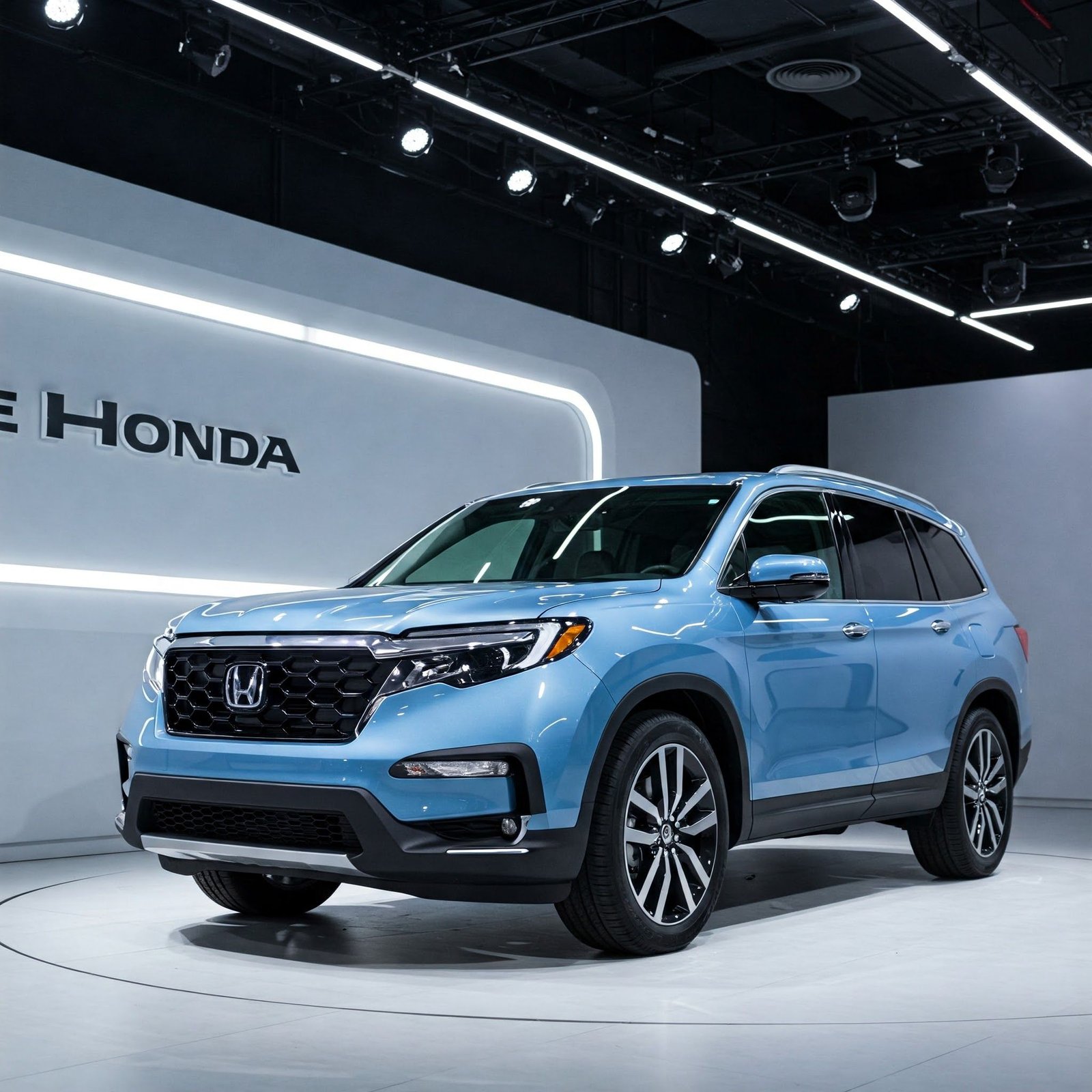
2024 Nissan Armada: Complete Guide to Specs, Features, Towing, MPG and Price

Published

on

2024 Nissan Armada

The Nissan Armada 2024 remains one of Nissan’s largest and most capable SUVs, combining traditional body-on-frame construction, a powerful V8 engine, three-row seating and substantial towing capability. For buyers who want an SUV that can handle family transportation during the week and towing or outdoor adventures on the weekend, the 2024 Armada offers a distinctive alternative to competitors such as the Chevrolet Tahoe, Ford Expedition, Toyota Sequoia and GMC Yukon. Rather than moving entirely toward smaller turbocharged engines, Nissan continued with a naturally aspirated 5.6-liter V8 producing 400 horsepower and 413 lb-ft of torque, paired with a seven-speed automatic transmission. The 2024 model also offered rear-wheel drive or four-wheel drive depending on configuration, giving shoppers a choice between traditional rear-drive performance and additional traction for challenging roads and off-road conditions.

The 2024 Nissan Armada is particularly interesting because it represents the final model year of this generation before Nissan introduced a substantially redesigned Armada for 2025. For 2024, Nissan made relatively few changes, with the most notable lineup change being the removal of the previous base S trim, leaving the SV as the entry point. That means shoppers looking at a used 2024 Armada can find a vehicle with a mature design, strong V8 performance and a broad selection of standard and available equipment without purchasing an entirely new-generation SUV. However, the Armada’s strengths also come with compromises, particularly fuel consumption, third-row space and some aspects of its aging technology.

2024 Nissan Armada Overview

The Nissan Armada is designed for people who need more capability than a typical crossover can provide. Its body-on-frame architecture gives it the basic mechanical foundation associated with traditional full-size SUVs and pickup trucks, while independent suspension helps provide a more comfortable ride than the old truck-like SUVs of decades past. The result is a vehicle that feels substantial on the road and can tow up to 8,500 pounds when properly equipped. Nissan’s official specifications list the same maximum towing figure for the 2024 Armada, making towing one of the SUV’s strongest selling points.

For 2024, the Armada was available in several trim levels, including SV, SL, Platinum and the rugged-looking Platinum Reserve. Depending on configuration, buyers could choose between seating for seven with second-row captain’s chairs or seating for eight with a second-row bench. This flexibility makes the Armada useful for both large families and buyers who prioritize easier access to the third row. Nissan’s brochure lists 41.9 inches of front-row legroom and 41.0 inches in the second row, while third-row legroom is more limited at 28.4 inches. Consequently, the first two rows are considerably better suited to adults than the rearmost seats.

Nissan Armada 2024 Engine and Performance

One of the biggest reasons to consider the Nissan Armada 2024 is its engine. Under the hood is a 5.6-liter naturally aspirated V8 producing 400 horsepower at 5,800 rpm and 413 lb-ft of torque at 4,000 rpm. The engine is connected to a seven-speed automatic transmission. This combination gives the Armada strong acceleration for a vehicle of its size and makes it particularly well suited to towing and highway driving. The V8 also provides a traditional large-engine character that differentiates the Armada from newer competitors that increasingly rely on smaller turbocharged engines or hybrid powertrains.

On the road, the Armada’s V8 provides plenty of power for merging onto highways, passing slower traffic and carrying passengers with a full load of luggage. Independent testing from Edmunds recorded a 0-to-60-mph time of 6.7 seconds for a tested 2024 Armada, demonstrating that this large SUV is not particularly slow despite its size and weight. The steering and handling are less impressive than the engine, with reviewers noting that the Armada can feel dated compared with some newer full-size SUVs. Still, its smooth power delivery and quiet highway cabin make it well suited to long-distance travel.

Nissan Armada Towing Capacity

For many buyers, Nissan Armada towing capacity is more important than acceleration or fuel economy, and this is an area where the 2024 model performs strongly. The Armada can tow up to 8,500 pounds when properly equipped, and Nissan lists an 850-pound maximum tongue weight. That makes the SUV suitable for many boats, recreational trailers, utility trailers and other substantial loads, although buyers should always check the exact vehicle configuration, trailer weight and applicable towing requirements before towing.

The Armada’s towing ability is helped by its V8 engine and body-on-frame platform. The available four-wheel-drive system adds additional traction when driving on slippery surfaces, gravel roads or other challenging terrain. Another useful feature is the trailer brake controller available as standard equipment across the 2024 lineup according to Edmunds, allowing the driver to adjust trailer braking from inside the vehicle. For someone who regularly tows, these details can make the Armada more appealing than a typical crossover SUV.

2024 Nissan Armada Fuel Economy and MPG

Fuel economy is one of the clearest compromises associated with the Nissan Armada 2024. A large SUV weighing thousands of pounds and powered by a 5.6-liter V8 is never going to match the efficiency of a smaller crossover. Nissan’s official EPA estimates give the rear-wheel-drive Armada ratings of approximately 14 mpg city, 19 mpg highway and 16 mpg combined. Four-wheel-drive versions are rated at approximately 13 mpg city, 18 mpg highway and 15 mpg combined.

These figures should be considered carefully by buyers who drive many miles every year. The Armada’s 26-gallon fuel tank provides useful range between fill-ups, but frequent urban driving or heavy towing can make fuel costs significant. On the positive side, the V8 provides strong performance without requiring a turbocharger, and the Armada can run on regular unleaded fuel, although premium fuel is recommended for maximum performance. For shoppers who value towing, passenger capacity and V8 power more than fuel efficiency, the trade-off may be reasonable.

Nissan Armada 2024 Interior and Comfort

Inside, the Nissan Armada 2024 interior has a premium appearance in its higher trims and provides generous space for passengers in the first two rows. Available features include leather seating, heated and ventilated front seats, power-adjustable seats, a Bose audio system and other comfort-focused equipment. The upper trim levels move the Armada closer to a luxury-SUV experience without reaching the price and positioning of Nissan’s Infiniti QX80 sibling.

Passenger space is one of the Armada’s practical advantages, particularly in the first and second rows. Nissan lists 63.8 inches of front shoulder room and 63.4 inches in the second row, along with more than 41 inches of legroom in both rows. However, the third row is not as spacious for adults because third-row legroom measures 28.4 inches. The third row is therefore more appropriate for children or shorter passengers, especially during longer journeys.

Cargo capacity is another consideration. With all three rows in use, the Armada offers about 16.5 cubic feet of cargo space according to Edmunds. Folding the rear seats dramatically increases available room, with maximum cargo capacity listed at approximately 95.4 cubic feet. This makes the Armada considerably more versatile when the third row is not required. Families can use it as a three-row people mover on one day and fold the rear seating when transporting larger objects on another.

Nissan Armada 4WD Capability

The Nissan Armada 4WD system gives the SUV additional capability for buyers who frequently encounter snow, mud, loose surfaces or rough roads. Four-wheel drive is available across the 2024 range, and the system includes low-range gearing, which is particularly useful in demanding off-road situations or when additional low-speed control is required. Ground clearance is around 9.2 inches in one documented configuration, while the body-on-frame platform provides a solid foundation for light off-road adventures.

It is important, however, to understand that buying a four-wheel-drive Armada does not automatically turn it into a dedicated rock-crawling vehicle. Tire choice, driver experience, terrain and vehicle configuration all influence off-road performance. For owners who primarily drive paved roads but occasionally travel on dirt, gravel, snow or poorly maintained surfaces, the available 4WD system can provide useful additional capability without requiring a specialized off-road vehicle.

Technology and Safety Features

The 2024 Armada includes a substantial collection of driver-assistance and safety technologies. Depending on configuration, features include automatic emergency braking, lane-departure warning, lane-keeping assistance, blind-spot monitoring and rear cross-traffic alert. Edmunds also lists driver attention monitoring and other active safety equipment among the available or standard features.

Technology is one area where the 2024 Armada can show its age compared with newer competitors. Automotive reviewers have noted that some aspects of its infotainment system and interior technology feel dated. Nevertheless, the upper trims offer a strong collection of convenience and entertainment features, and the overall cabin can feel comfortable and upscale. Buyers shopping for a used Armada should inspect the infotainment system, cameras, driver-assistance functions and electronic equipment carefully during a test drive.

2024 Nissan Armada Trim Levels

The 2024 Nissan Armada lineup gives buyers several different approaches to the same basic V8-powered SUV. The SV serves as the entry point after Nissan discontinued the S trim for 2024 and already includes a useful level of equipment. The SL moves further toward premium territory with additional comfort and technology features and is considered by Edmunds to offer one of the better balances between equipment and price.

The Platinum trim focuses heavily on luxury, with more premium interior materials and additional convenience equipment. At the top of the range, the Platinum Reserve adds further upscale touches and styling. When shopping used, it is worth comparing the equipment on individual vehicles rather than choosing solely by trim name because optional packages and drivetrain choices can significantly affect what a particular Armada includes.

Is the 2024 Nissan Armada Good for Families?

For families that need three rows, substantial towing ability and a large cargo area, the Armada can be an attractive choice. The first two rows offer generous passenger room, while the third row provides additional seating when needed. The available eight-passenger configuration can be especially useful for large families, while captain’s chairs provide a more comfortable and accessible second-row arrangement for buyers who do not need maximum passenger capacity.

The Armada is also well suited to road trips because of its comfortable front seats, quiet highway cabin and strong engine. However, families should consider the relatively limited third-row legroom and the small amount of cargo space left behind the third row. If all three rows are occupied on a regular basis and the family also carries a large amount of luggage, a larger SUV or a vehicle with a more spacious third-row cargo area may be worth considering.

2024 Nissan Armada Pros and Cons

The biggest 2024 Nissan Armada pros include its powerful 400-horsepower V8, strong 8,500-pound towing rating, available four-wheel drive, comfortable first two rows and generally upscale upper trims. The Armada also has a relatively distinctive presence because it is less common than some of the segment’s most recognizable competitors. For buyers who specifically want a traditional V8-powered full-size SUV, it remains an appealing option.

The disadvantages are primarily related to efficiency and age. Fuel economy is poor compared with smaller SUVs, the third row is not especially spacious for adults, and some technology and driving characteristics feel older than those of newer competitors. The Armada’s size can also make parking and maneuvering in tight urban environments more difficult. Buyers should therefore focus on their priorities rather than assuming that a large SUV is automatically the best choice for every family.

Is the Nissan Armada 2024 Worth Buying?

Whether the Nissan Armada 2024 is worth buying depends heavily on what you need from an SUV. If your priorities include a powerful V8, strong towing capacity, three-row seating, available 4WD and a comfortable highway ride, the Armada makes a compelling case. Its 400 horsepower and 8,500-pound towing capability give it genuine utility rather than simply offering the appearance of ruggedness.

On the other hand, buyers who prioritize fuel economy, the latest infotainment technology, exceptional third-row space or the newest driving dynamics may find newer competitors more appealing. The fact that the 2024 model belongs to the outgoing generation can actually be a benefit for used-car shoppers who prefer proven mechanical components and potentially lower purchase prices, but the vehicle should still be inspected carefully for maintenance history, accident damage, tire condition and the operation of all electronic features before purchase.

Conclusion

The Nissan Armada 2024 is a traditional full-size SUV with a clear identity. Its 5.6-liter V8, 400 horsepower, available four-wheel drive and 8,500-pound towing capacity make it substantially more capable than an ordinary family crossover, while its three-row cabin and premium upper trims give it enough comfort for everyday family use. Official Nissan specifications confirm its impressive towing capability, seating flexibility and substantial dimensions, while independent reviews highlight the smooth V8 power, quiet cabin and strong towing performance as some of its most important advantages.

The trade-off is fuel consumption and an aging overall package. The Armada is not the most efficient full-size SUV, its third row is best suited to smaller passengers, and some competitors offer newer technology and more polished driving characteristics. Nevertheless, for buyers searching specifically for a 2024 Nissan Armada with V8 power, serious towing ability and traditional SUV construction, it remains an interesting choice. Anyone considering a used example should compare trim levels, drivetrain configurations, service history and overall condition before making a purchase. When those factors line up with the buyer’s needs, the 2024 Armada can deliver the combination of strength, space and long-distance comfort that many large-SUV shoppers are looking for.

Frequently Asked Questions About the Nissan Armada 2024

Is the 2024 Nissan Armada a good SUV?

Yes, the 2024 Nissan Armada can be a good SUV for buyers who prioritize V8 power, towing capability, three-row seating and available four-wheel drive. Its main weaknesses are fuel economy, third-row space and aging technology. Edmunds rated the 2024 model 7.1 out of 10 in its expert testing.

How much can the 2024 Nissan Armada tow?

The 2024 Nissan Armada can tow up to 8,500 pounds when properly equipped. Nissan’s specifications also list an 850-pound maximum tongue weight.

How much horsepower does the Nissan Armada 2024 have?

The 2024 Armada’s 5.6-liter V8 produces 400 horsepower and 413 lb-ft of torque. It is paired with a seven-speed automatic transmission.

What is the 2024 Nissan Armada MPG?

Rear-wheel-drive versions are rated at approximately 14 mpg city, 19 mpg highway and 16 mpg combined. Four-wheel-drive versions are rated at approximately 13 mpg city, 18 mpg highway and 15 mpg combined.

Does the 2024 Nissan Armada have 4WD?

Yes. Four-wheel drive is available on the 2024 Nissan Armada, and the system includes low-range gearing for additional capability in challenging conditions.

How many people can the 2024 Nissan Armada seat?

The Armada can seat up to eight people with a second-row bench seat. With the available second-row captain’s chairs, seating capacity is reduced to seven.

Is the Nissan Armada 2024 good for towing?

Yes. Its 8,500-pound maximum towing rating and powerful V8 engine make towing one of its strongest capabilities. Edmunds also notes that the 2024 model includes a trailer brake controller across the lineup.

How much cargo space does the 2024 Armada have?

The Armada provides approximately 16.5 cubic feet of cargo space behind the third row, while maximum cargo capacity is approximately 95.4 cubic feet with the rear seating folded.

What changed for the 2024 Nissan Armada?

The biggest lineup change for 2024 was the removal of the base S trim. The rest of the model largely carried over from the previous year, as the current generation had already received a significant refresh for 2021.

Is the 2024 Nissan Armada fuel efficient?

Fuel economy is not one of the Armada’s strongest qualities. Its large size and naturally aspirated V8 result in EPA combined ratings of 16 mpg for rear-wheel-drive models and 15 mpg for four-wheel-drive models.

Continue Reading

Blogs

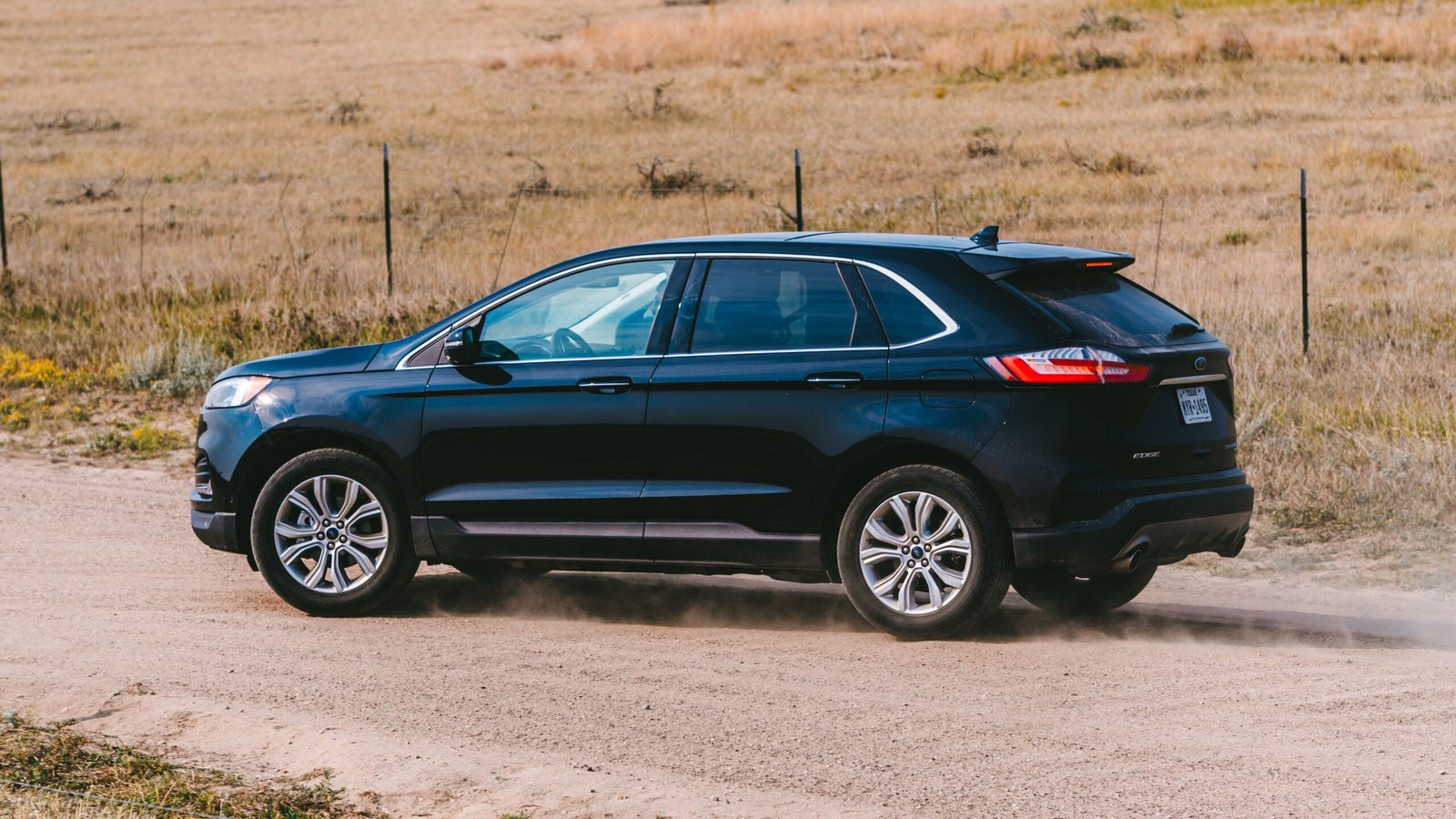
Ford Edge AWD: Complete Guide to Performance, Features, Benefits, and Buying Tips

Published

on

Ford Edge AWD

The Ford Edge AWD has long been an appealing choice for drivers who want the practicality of a midsize SUV combined with confident traction, comfortable road manners, useful interior space, and strong turbocharged performance. All-wheel drive is particularly attractive for drivers who regularly encounter rain, snow, slippery roads, loose surfaces, or changing weather because the system can distribute engine power to the wheels that need additional traction. In the final 2024 model year, Ford made AWD standard across the Edge lineup, giving buyers the convenience of all-wheel drive without having to select it as a separate drivetrain option.

The Ford Edge AWD is also interesting because the Edge was positioned between smaller compact SUVs and larger three-row vehicles. It provides seating for five people while offering a roomy cabin and substantial cargo capacity, making it suitable for families, commuters, road trips, and drivers who want an SUV that remains relatively easy to handle in everyday traffic. The 2024 model year offered five trims—SE, SEL, ST-Line, Titanium, and ST—with the standard models using a turbocharged 2.0-liter four-cylinder and the performance-oriented ST using a 2.7-liter turbocharged V6.

Ford Edge AWD Title Ideas

  1. Ford Edge AWD: Complete Guide to Performance, Features, and Reliability
  2. Ford Edge AWD Review: Is This Midsize SUV Worth Buying?
  3. Ford Edge AWD: Engine, Fuel Economy, Interior, Safety, and Driving Experience
  4. Ford Edge AWD SUV: Everything You Need to Know Before Buying
  5. Ford Edge AWD 2024: Features, Trims, Performance, and Ownership Guide
  6. Ford Edge All-Wheel Drive: Benefits, Performance, and Everyday Practicality
  7. Ford Edge AWD for Sale: What to Check Before Buying a Used Model

Keywords From the Titles and Why They Matter

The primary keyword is “Ford Edge AWD”, which should appear naturally in the main title, introduction, headings, and body of the article because it directly represents the subject. Supporting keywords include “Ford Edge AWD review,” “Ford Edge AWD SUV,” “Ford Edge all-wheel drive,” “Ford Edge AWD 2024,” “Ford Edge performance,” “Ford Edge fuel economy,” “Ford Edge interior,” “Ford Edge trims,” and “Ford Edge AWD for sale.” These related phrases help cover different search intentions. Someone searching “Ford Edge AWD review” may be researching the vehicle before buying, while a search for “Ford Edge AWD for sale” suggests stronger purchase intent. Using these terms naturally rather than repeatedly stuffing the exact keyword can make the article more useful and comprehensive for readers.


Ford Edge AWD: What Makes It Different?

The most important feature in a Ford Edge AWD is, naturally, its all-wheel-drive system. AWD is designed to help maintain traction by delivering power where it is useful rather than relying solely on the front wheels. Ford’s documentation describes AWD systems as distributing power between the front and rear wheels as needed, while Ford’s Edge materials describe its intelligent AWD technology as providing additional traction when required without the traditional disadvantages associated with permanent four-wheel-drive systems.

For everyday driving, this can be especially useful when roads become wet, slippery, snowy, or otherwise inconsistent. It is important to understand, however, that AWD does not turn the Ford Edge into a dedicated off-road vehicle. Ford’s own owner information cautions that AWD-equipped vehicles are not intended for severe off-road use. Instead, the system is best understood as a traction and stability advantage for normal roads and moderate adverse conditions. Good tires remain extremely important because AWD can help a vehicle accelerate with better traction, but it cannot eliminate the physical limitations of braking and cornering on slippery surfaces.

Ford Edge AWD Performance

The 2024 Ford Edge demonstrates why the model remains interesting to shoppers looking for a relatively powerful midsize crossover. Most trims use a turbocharged 2.0-liter four-cylinder engine producing 250 horsepower, while the high-performance Edge ST uses a twin-turbocharged 2.7-liter V6 producing 335 horsepower and 380 lb-ft of torque. The standard engine is paired with an eight-speed automatic transmission, while the ST uses a seven-speed automatic transmission. AWD is standard across the 2024 lineup.

The 2.0-liter EcoBoost engine is a sensible choice for most drivers because it combines useful power with everyday drivability. Its 250 horsepower is enough for highway merging, passing, and normal family use, while the turbocharged design provides a strong amount of torque without requiring a larger engine. Drivers who want considerably more performance can choose the Edge ST, whose 2.7-liter V6 gives the SUV a much more aggressive character. This makes the ST particularly appealing to buyers who want an SUV with family practicality but also enjoy stronger acceleration and a sportier driving experience.

Ford Edge AWD Fuel Economy

Fuel economy varies according to engine, trim, driving conditions, tires, traffic, and driving style. For the 2024 Edge SE AWD with the 2.0-liter engine, published specifications list EPA-estimated fuel economy of approximately 21 mpg city and 28 mpg highway, with 23 mpg combined. The vehicle also has an 18.5-gallon fuel tank, according to published specifications.

These figures place the Ford Edge in a reasonable position for a midsize gasoline SUV, although shoppers should remember that real-world fuel economy can differ significantly from laboratory estimates. Frequent short trips, heavy traffic, aggressive acceleration, cold weather, low tire pressure, additional cargo, and extensive use of climate control can all affect fuel consumption. AWD can also contribute to additional mechanical complexity and weight compared with a simpler front-wheel-drive configuration, although the 2024 Edge’s standard AWD means there is no front-wheel-drive version to compare within that model year.

Ford Edge AWD Trims

The 2024 Ford Edge was available in five major trim levels: SE, SEL, ST-Line, Titanium, and ST. This broad lineup allowed buyers to choose between a relatively straightforward entry-level model, comfort-focused versions, sport-inspired styling, a more upscale configuration, and the high-performance ST.

The SE is the logical starting point for shoppers who want the fundamental Edge package without paying for every available luxury feature. The SEL adds desirable comfort and convenience equipment and can be an attractive middle-ground choice. The ST-Line focuses heavily on sporty appearance while retaining the standard four-cylinder engine, making it appropriate for buyers who like the aggressive ST appearance but do not necessarily need the V6. The Titanium moves toward a more premium experience, while the ST sits at the top of the performance hierarchy with its 2.7-liter twin-turbo V6.

Ford Edge AWD Interior and Comfort

One of the Ford Edge’s strongest characteristics is its practical interior. The vehicle provides seating for five and offers enough room for passengers and luggage to make it useful as a family vehicle. Contemporary reviews have highlighted its spacious passenger area, comfortable seats, quiet highway behavior, and generous cargo capacity.

The cabin may not look as modern as the newest SUVs on the market, particularly because the Edge’s basic design dates back several years, but functionality remains one of its advantages. The vehicle’s relatively large footprint gives passengers useful space without moving into the size and complexity of a three-row SUV. For people who routinely carry groceries, luggage, sports equipment, work supplies, or family gear, the Edge’s cargo area is an important part of its appeal.

Technology and Safety Features

The Ford Edge also offers a strong collection of technology and driver-assistance equipment, depending on trim and model year. The 2024 Edge was equipped with a large 12-inch central touchscreen, while features such as wireless Apple CarPlay and Android Auto were available as part of its technology package. Driver-assistance equipment included technologies such as blind-spot monitoring and automatic emergency braking.

These technologies can make a noticeable difference during everyday driving. Blind-spot monitoring can be particularly useful on a midsize SUV because the vehicle’s body and roof pillars can affect visibility. At the same time, drivers should remember that electronic safety systems are intended to assist the driver rather than replace attentive driving. Sensors and cameras can have limitations in heavy rain, snow, darkness, or other difficult conditions.

Is Ford Edge AWD Good for Snow and Rain?

The Ford Edge AWD can be a good option for drivers who regularly encounter wet roads, snow, and other slippery conditions. AWD provides an advantage by helping the vehicle distribute power to maintain traction, which can make pulling away from a slippery intersection or traveling along a wet road more confidence-inspiring. Ford specifically describes AWD-equipped vehicles as suitable for conditions involving surfaces such as snow, sand, mud, and rough roads, while also warning that the Edge and similar AWD vehicles are not intended for severe off-road driving.

However, tires are just as important as the drivetrain. A Ford Edge with AWD and poor or worn tires may perform worse in snow than a properly equipped two-wheel-drive vehicle with excellent winter tires. Drivers in areas with significant snowfall should therefore consider the complete package, including tire type, tread depth, braking ability, ground clearance, and local road conditions rather than assuming AWD alone guarantees superior winter performance.

Ford Edge AWD Towing and Utility

Another reason people consider the Edge is its combination of passenger comfort and practical utility. The SUV’s turbocharged engines provide useful torque for everyday loads, and the Edge can be configured for moderate towing depending on equipment and model specifications. Buyers considering towing should always verify the exact towing capacity of the particular model, engine, hitch equipment, and configuration rather than assuming every Edge has the same rating.

For many owners, however, the more important advantage is everyday cargo flexibility. The Edge works well for road trips, shopping, airport runs, family activities, and carrying larger objects that would be inconvenient in a sedan. Its two-row configuration also means the vehicle can prioritize rear passenger and cargo space rather than dedicating substantial interior volume to a third row.

Is a Used Ford Edge AWD Worth Buying?

A used Ford Edge AWD can be an attractive choice for buyers who want a spacious midsize SUV without paying for a brand-new vehicle. The used market can provide access to multiple model years, trim levels, and engine configurations, allowing shoppers to choose based on budget and priorities. The 2024 Edge is especially notable because it was the final model year of the Edge in the U.S. market, making it an interesting option for buyers who want one of the newest examples of the outgoing generation.

When purchasing a used Ford Edge AWD, condition should be more important than simply finding the lowest advertised price. Check the maintenance history, tire condition, transmission operation, engine performance, warning lights, suspension, brakes, air conditioning, infotainment system, and AWD operation. It is also wise to obtain a vehicle history report and have an independent mechanic inspect the vehicle before purchase. Because AWD systems depend on properly matched tires and functioning drivetrain components, buyers should pay particular attention to tire size, tread condition, and evidence of drivetrain problems.

Ford Edge AWD Reliability and Ownership

Reliability can vary considerably between individual vehicles, especially as mileage and age increase. The best way to evaluate a used Ford Edge is to consider the specific vehicle’s maintenance records rather than assuming that every Edge will have identical ownership costs. Routine servicing, correct fluids, proper tire maintenance, timely repairs, and responsible driving can all influence long-term ownership.

Another important consideration is that the Edge is no longer an actively produced Ford model in the U.S. market after the 2024 model year. That does not mean parts or servicing suddenly disappear; rather, buyers should understand that they are purchasing a discontinued nameplate. The advantage is that the Edge has an established service history and a large population of vehicles on the road, while the disadvantage is that shoppers seeking the newest-generation Ford SUV will need to look elsewhere.

Advantages of the Ford Edge AWD

The Ford Edge AWD has several qualities that make it appealing in the used and late-model SUV market. Its biggest strengths include standard AWD on the 2024 lineup, a strong turbocharged four-cylinder engine, an even more powerful V6 in the ST, a spacious two-row interior, comfortable highway manners, useful cargo room, and a broad selection of trims. Reviews also recognize the Edge for its quiet cabin and comfortable seating, which can make long-distance driving more pleasant.

The Edge also strikes an interesting balance between everyday practicality and performance. A buyer can choose a relatively sensible 2.0-liter model for commuting and family use or move to the ST for significantly stronger acceleration. This range gives the Edge a broader personality than some competitors that focus exclusively on comfort or efficiency.

Potential Disadvantages of the Ford Edge AWD

Despite its strengths, the Ford Edge is not perfect. One of the most frequently noted drawbacks is that its interior design feels older than some newer competitors. Reviews have also pointed to visibility limitations caused by thick roof pillars, while transmission response and ride comfort over some smaller bumps have received criticism.

The fact that 2024 was the final model year is another factor potential buyers should consider. Some shoppers prefer vehicles that are still in production because they expect more future updates and a longer product cycle. Others may see the final model year as an advantage because the vehicle represents a mature version of a well-established design. The right choice depends on whether your priority is having the latest technology or getting a proven, well-understood used SUV.

Ford Edge AWD vs. Traditional 4WD

It is important not to confuse AWD with traditional four-wheel drive. AWD systems are generally designed to improve traction automatically during everyday driving, while traditional 4WD systems are often designed with more demanding off-road conditions in mind and may provide selectable low-range gearing. The Ford Edge AWD is fundamentally a road-oriented crossover system rather than a rugged body-on-frame off-road drivetrain.

This distinction matters when choosing a vehicle. If your main concern is rain, occasional snow, slippery pavement, and improved traction during normal road travel, the Edge AWD can make sense. If your goal is serious rock crawling, deep mud, extreme trails, or other severe off-road activities, a dedicated four-wheel-drive SUV designed for those conditions would be a more appropriate choice.

What Should You Look for When Buying a Ford Edge AWD?

When shopping for a Ford Edge AWD, begin with the vehicle’s maintenance history and overall condition. A well-maintained example with documented servicing is usually a better purchase than a cheaper vehicle with an unclear history. Inspect the tires carefully and make sure all four tires are appropriately matched, because AWD systems can be sensitive to differences in tire size and circumference. Ford’s owner information specifically warns that significantly mismatched tire sizes can affect AWD operation and potentially cause damage.

Next, take the vehicle for a thorough test drive. Pay attention to cold-start behavior, acceleration, braking, steering, transmission shifts, suspension noises, and any warning messages. Test the infotainment system and climate controls, inspect the seats and interior for excessive wear, and look underneath the vehicle for leaks or signs of damage. For higher-mileage vehicles, professional inspection is particularly valuable because it can identify problems that are difficult for an ordinary buyer to spot.

Conclusion

The Ford Edge AWD remains an appealing midsize SUV for buyers who value traction, space, comfort, and turbocharged performance. Its all-wheel-drive system makes it particularly useful for drivers who regularly encounter wet or slippery roads, while its spacious two-row cabin gives families and travelers plenty of practical room. The 2024 model year is especially significant because AWD was standard throughout the lineup and buyers could choose from SE, SEL, ST-Line, Titanium, and performance-focused ST trims.

For buyers interested in performance, the Edge ST and its 335-horsepower twin-turbo V6 provide a compelling combination of SUV practicality and strong acceleration. For everyday drivers, the 250-horsepower 2.0-liter turbocharged four-cylinder offers a useful balance of performance and fuel economy. Ultimately, the best Ford Edge AWD is the one that matches your budget, driving conditions, desired equipment, and maintenance expectations. If purchasing used, prioritize service history, tire condition, drivetrain operation, and a professional inspection rather than choosing solely on price.

Frequently Asked Questions About Ford Edge AWD

Is the Ford Edge available with AWD?

Yes. The 2024 Ford Edge came with all-wheel drive as standard across its five-trim lineup. Earlier Edge model years had different drivetrain configurations, so buyers shopping used should verify the exact year and trim.

Is Ford Edge AWD good in snow?

Yes, AWD can improve traction when accelerating on snowy or slippery roads. However, AWD does not replace proper winter tires, careful driving, or appropriate braking distances. Ford also describes the Edge’s AWD system as intended for road-oriented conditions rather than severe off-road use.

How much horsepower does the Ford Edge AWD have?

For the 2024 model year, most Edge AWD models use a 2.0-liter turbocharged four-cylinder producing 250 horsepower. The Edge ST uses a 2.7-liter twin-turbo V6 producing 335 horsepower.

Is the Ford Edge AWD good for families?

Yes. The Edge offers five-passenger seating, a spacious cabin, and useful cargo capacity. Its two-row layout can be particularly practical for families that do not need a third row but still want more interior room than a compact SUV.

What is the best Ford Edge AWD trim?

The answer depends on your priorities. The SEL is a strong all-around choice for comfort and value, the ST-Line is attractive for buyers who want sporty styling, the Titanium emphasizes upscale equipment, and the ST is the best option for drivers who prioritize performance.

Is the Ford Edge AWD an off-road SUV?

No. The Edge AWD is primarily a road-oriented crossover SUV. Its AWD system can provide additional traction on snow, wet pavement, and some loose surfaces, but it is not designed to compete with dedicated off-road vehicles.

Was 2024 the last Ford Edge model year?

Yes, 2024 was the final model year for the Ford Edge in the U.S. market. This makes late-model 2024 examples particularly relevant to shoppers who want the newest version of the Edge.

Is a used Ford Edge AWD worth buying?

It can be, particularly when you find a well-maintained example with good tires, complete service records, and a clean inspection. The Edge’s combination of AWD, passenger space, turbocharged engines, and available technology makes it an interesting used SUV, but buyers should carefully inspect the specific vehicle before purchasing.

Continue Reading

Blogs

Easy Christmas Songs on Piano: 25 Beginner-Friendly Holiday Songs to Learn

Published

on

Easy Christmas Songs on Piano

Learning easy Christmas songs on piano is one of the most enjoyable ways for beginners to practice their instrument during the holiday season. Christmas music is especially suitable for new piano players because many traditional carols use familiar melodies, repeating patterns, straightforward rhythms, and relatively simple chord progressions. Whether you have been playing piano for only a few weeks, are teaching a child their first holiday songs, or simply want to entertain family and friends during a Christmas gathering, there are plenty of songs that can be adapted to an accessible beginner level. You do not need to master complicated scales, fast passages, or advanced piano techniques before you can start playing recognizable Christmas music. With regular practice and a simplified arrangement, even a new player can learn several beloved holiday melodies and gradually build confidence at the keyboard.

The best easy Christmas songs on piano are those that allow beginners to concentrate on musical fundamentals without becoming overwhelmed. Songs such as “Jingle Bells,” “Silent Night,” “We Wish You a Merry Christmas,” and “O Christmas Tree” contain memorable melodies that many people already know, making it easier to recognize mistakes and stay oriented while playing. Some songs can be learned initially with the right hand playing only the melody, then developed by adding simple left-hand chords. This approach makes Christmas piano practice both practical and rewarding because players can hear progress almost immediately. In this guide, we will explore some of the best beginner-friendly Christmas songs, explain why they are easy to learn, discuss useful chords and techniques, and provide practical tips for building a small holiday repertoire.

Why Easy Christmas Songs Are Great for Beginner Piano Players

Christmas songs are excellent learning material because their melodies are often familiar before a beginner even sits at the piano. When you already know how a song sounds, you have an advantage because your ears can help guide your fingers. Instead of trying to understand an unfamiliar melody from scratch, you can mentally hear the next phrase and use that knowledge to check whether you are playing the correct notes. This makes easy Christmas piano songs useful for practicing rhythm, note recognition, hand coordination, and musical memory. Many traditional holiday songs also have repeating sections, which means that learning one part can help you understand another part of the same song. For beginners, this repetition can make practice feel less like memorizing a long piece and more like mastering a series of manageable musical patterns.

Another advantage is that Christmas songs can be simplified in several different ways. A beginner can start by playing a single-note melody with the right hand, then add individual bass notes with the left hand, and eventually progress to full chords or more elaborate accompaniment. This creates a natural progression from very easy arrangements toward intermediate playing without requiring you to change songs every time your skills improve. If a particular arrangement feels too difficult, you can remove some of the left-hand notes or slow the tempo. The objective is not to reproduce a complicated professional arrangement immediately; it is to create a version that matches your current ability while giving you room to develop.

25 Easy Christmas Songs on Piano

1. Jingle Bells

“Jingle Bells” is one of the best-known choices for anyone searching for easy Christmas songs on piano. Its lively melody is highly recognizable, and a simplified version can usually be played using a relatively small range of notes. Beginners can start with the melody in the right hand and add basic chords with the left hand once they become comfortable. Because the song has a repeating and memorable structure, it is also useful for practicing rhythm and maintaining a steady tempo.

2. Silent Night

“Silent Night” is an excellent beginner Christmas piano song because its melody moves at a gentle pace and is easy to sing along with. The slower character of the song gives new players more time to find the correct notes and coordinate both hands. It can sound beautiful even when played very simply, which makes it particularly rewarding for beginners. Once the basic melody is secure, simple block chords can be added to create a fuller sound.

3. We Wish You a Merry Christmas

“We Wish You a Merry Christmas” is another excellent choice for beginners because the melody is familiar and relatively straightforward. It is particularly suitable for practicing short musical phrases and repeating patterns. A beginner arrangement can use the right hand for the melody while the left hand plays a small number of basic chords. This song is also a fun option for children because its cheerful melody immediately creates a festive atmosphere.

4. O Christmas Tree

“O Christmas Tree” has a calm, memorable melody that works well as a simple piano arrangement. Beginners can learn the tune slowly with one hand before introducing basic harmony. Because the melody has a clear shape, it can also help students learn how musical phrases rise, fall, and resolve. Playing this song softly can make it sound surprisingly polished even when the arrangement itself is very simple.

5. Deck the Halls

“Deck the Halls” is a cheerful traditional Christmas song that can be adapted for beginner piano. Its repeated melodic ideas make it easier to remember after a few practice sessions. Beginners should start slowly rather than trying to imitate the fast tempo of more advanced performances. Once the notes become comfortable, gradually increasing the speed can turn the exercise into useful rhythm and coordination practice.

6. Joy to the World

“Joy to the World” is a popular Christmas carol with a strong and recognizable melody. While advanced arrangements can be technically demanding, a simplified beginner version can focus on the principal melody and basic accompaniment. This makes it a good example of how almost any Christmas song can be adjusted to suit different skill levels. Beginners should concentrate on accurate notes and steady rhythm before attempting decorative runs or more complicated accompaniment.

7. Away in a Manger

“Away in a Manger” is especially suitable for new piano players because it has a gentle melody and a relaxed musical character. The song gives beginners an opportunity to practice playing expressively rather than simply focusing on speed. A slow arrangement with simple chords can sound warm and complete. It is also an excellent choice for young students learning to connect individual notes into smooth musical phrases.

8. The First Noel

“The First Noel” is another traditional carol that can work very well in a beginner piano collection. Its melody is recognizable and can be learned gradually in small sections. Students can first practice each phrase separately, then connect those phrases together. Adding basic left-hand chords later provides an introduction to harmony while keeping the overall arrangement manageable.

9. O Come, All Ye Faithful

“O Come, All Ye Faithful” has a bold melody that sounds impressive even when simplified. Beginners can play the melody with the right hand and use simple bass notes or chords underneath it. This makes the song useful for students who want their performance to sound fuller without learning an advanced arrangement. It can also help develop confidence when transitioning between different chords.

10. Rudolph the Red-Nosed Reindeer

For children and younger beginners, “Rudolph the Red-Nosed Reindeer” can be an especially enjoyable option. The melody is familiar, playful, and easy to recognize, which makes practice more engaging. A simplified arrangement allows children to concentrate on locating notes and following the rhythm without being distracted by complicated technique. Familiar songs can also encourage children to practice voluntarily because they already enjoy the music.

11. Frosty the Snowman

“Frosty the Snowman” is another fun choice for beginners and children. The cheerful melody provides a nice opportunity to practice rhythm and musical expression. Students can start with a simple melody arrangement and later experiment with different left-hand accompaniment patterns. Because the song has a strong character, players can also learn how tempo and dynamics influence the mood of a performance.

12. Santa Claus Is Coming to Town

“Santa Claus Is Coming to Town” has a lively holiday character and can be simplified for beginner piano. It is a good choice for players who want something more energetic than slower carols. Beginners should focus on playing accurately at a comfortable tempo instead of trying to play quickly from the beginning. Once the notes are familiar, gradually increasing the speed can make the performance more exciting.

13. Up on the Housetop

“Up on the Housetop” is a traditional Christmas song with a playful melody that can be enjoyable for children and adults. Its familiar structure makes it easier to memorize after repeated practice. A beginner arrangement can keep the accompaniment extremely simple while allowing the melody to remain the main focus. This is useful for new players who are still developing confidence with two-hand playing.

14. Hark! The Herald Angels Sing

Although more elaborate arrangements can be difficult, a simplified version of “Hark! The Herald Angels Sing” can be accessible to beginners. The melody is strong and memorable, and players can initially focus on the tune without worrying about advanced accompaniment. It is particularly effective as a learning exercise because it encourages players to maintain consistent rhythm while moving between different notes.

15. God Rest Ye Merry, Gentlemen

“God Rest Ye Merry, Gentlemen” has a distinctive traditional sound and works well as a simple piano arrangement. Beginners can use the melody to practice controlled playing and gradually introduce basic chords. The song’s darker, more mysterious character also gives students a chance to explore musical expression beyond cheerful Christmas tunes.

16. What Child Is This?

“What Child Is This?” is a beautiful choice for beginners who prefer slower and more expressive music. Its melody can be played gently, and simple chord accompaniment can create a rich sound without requiring advanced technique. This song is particularly useful for learning how to maintain a relaxed tempo and play with appropriate dynamics.

17. Angels We Have Heard on High

“Angels We Have Heard on High” is recognizable for its memorable melody and festive character. Beginners may want to use a simplified arrangement that removes some of the more demanding passages found in advanced versions. Learning it slowly can help develop finger control and coordination. Once comfortable, players can explore more elaborate arrangements as their skills improve.

18. O Little Town of Bethlehem

“O Little Town of Bethlehem” has a peaceful melody that lends itself naturally to beginner piano arrangements. Players can focus on producing an even tone and connecting phrases smoothly. Because the song is not dependent on a fast tempo, beginners have more time to think about finger placement. It can therefore be a relaxing piece to practice during the holiday season.

19. Have Yourself a Merry Little Christmas

“Have Yourself a Merry Little Christmas” is a popular holiday standard that can be simplified for piano. The melody is expressive, making it a good choice for players who want to move beyond basic note accuracy and begin thinking about musical interpretation. A simple chord progression can provide enough accompaniment to make the song sound complete without requiring an advanced arrangement.

20. Let It Snow! Let It Snow! Let It Snow!

“Let It Snow!” is a fun holiday standard that can work particularly well for players who enjoy popular Christmas music. Beginners can begin with the melody and eventually learn a simple chord-based accompaniment. The song can also introduce players to swing-style rhythms and a different musical feel from traditional Christmas carols.

21. Winter Wonderland

“Winter Wonderland” offers another recognizable melody for beginner and early-intermediate players. A simplified arrangement can reduce difficult chord changes while preserving the essential melody. It is a good choice for learners who want to expand beyond traditional carols and explore popular seasonal songs.

22. Silver Bells

“Silver Bells” is a gentle Christmas standard that can sound elegant on piano even with a relatively simple arrangement. Beginners can work on playing the melody smoothly and adding basic chords underneath it. The song is particularly useful for learning how accompaniment supports a melody without overpowering it.

23. The Christmas Song

Often associated with the opening words “Chestnuts roasting on an open fire,” “The Christmas Song” can be adapted into a beginner-friendly piano arrangement. Some original harmonies may be more advanced, but simplified chord versions are possible. This makes it an excellent song for players who want to learn a familiar seasonal standard while gradually becoming comfortable with richer harmonies.

24. Carol of the Bells

“Carol of the Bells” is famous for its repeating musical pattern. While advanced versions can be challenging, the repeating motif can actually make a simplified version approachable when practiced slowly. Beginners should avoid trying to play fast immediately. Learning the repeating pattern accurately first provides a strong foundation before increasing the tempo.

25. Auld Lang Syne

Although primarily associated with New Year’s celebrations, “Auld Lang Syne” is often played during the holiday season and makes a useful addition to a Christmas and winter piano repertoire. Its familiar melody is relatively easy to recognize, and a simple arrangement can be played effectively with basic accompaniment. It can also serve as a transition from Christmas music into New Year’s celebrations.

Easy Christmas Piano Songs With Simple Chords

One of the easiest ways to make a beginner piano arrangement sound more complete is to use simple Christmas piano chords. Instead of trying to play complicated arrangements containing many notes, beginners can play the melody with the right hand while using basic major and minor chords with the left hand. Depending on the key and arrangement, familiar chords such as C, G, F, Am, Dm, and Em can appear in many accessible songs. The exact chords vary from song to song, so beginners should always use the chord progression appropriate to the specific arrangement they are learning rather than assuming that every song uses the same sequence.

Chord-based playing also provides a useful bridge between beginner and intermediate piano skills. Once you can comfortably change between several basic chords, you can experiment with different accompaniment patterns. For example, you might begin with one chord played as a whole block, then divide the chord into individual notes, and eventually use broken-chord patterns. This allows a simple Christmas song to sound increasingly sophisticated without requiring you to completely relearn the melody.

Easy Christmas Songs on Piano for Kids

Children often learn easy Christmas songs on piano particularly well because holiday melodies are already familiar to them from school, family gatherings, movies, television, and seasonal celebrations. Songs such as “Jingle Bells,” “Rudolph the Red-Nosed Reindeer,” “Frosty the Snowman,” “We Wish You a Merry Christmas,” and “Up on the Housetop” can be especially motivating. For younger students, it is usually better to begin with a very short section rather than expecting them to learn an entire song at once. Once they can play the first phrase confidently, another phrase can be added until the complete melody becomes familiar.

Parents and teachers can also make Christmas piano practice more enjoyable by turning it into a performance goal. Instead of simply telling a child to practice for a certain amount of time, give them a specific objective such as learning the first section of “Jingle Bells” or playing a song for family members. Small achievements provide immediate feedback and can help maintain motivation. The most important thing is to keep the difficulty appropriate; a song that is technically too difficult can make a beginner feel frustrated, while a song that is slightly challenging but achievable can create a strong sense of accomplishment.

How to Learn Easy Christmas Songs on Piano

The best way to learn a new Christmas piano song is to divide it into manageable sections rather than attempting to play the entire piece immediately. Start by identifying the key and locating the first few notes. Practice the melody slowly with your right hand until you can play it without constantly stopping to search for each note. After that, divide the song into short phrases and practice each phrase repeatedly. When two phrases feel comfortable individually, connect them together. This gradual approach reduces mistakes and helps develop muscle memory. Once the right-hand melody is reasonably secure, introduce the left hand using simple bass notes or chords.

Another important technique is slow practice. Beginners often make the mistake of attempting to play a song at its original performance speed before they know the notes. This can reinforce mistakes and make the song harder to learn. Playing slowly gives your brain and fingers enough time to process each movement correctly. You can increase the tempo gradually as your accuracy improves. Using a metronome can also help you develop a consistent rhythm, although beginners should prioritize correct notes and relaxed technique over speed.

How Long Does It Take to Learn an Easy Christmas Song?

The amount of time required depends on the song, the player’s previous experience, and the complexity of the chosen arrangement. A complete beginner may learn a very short melody within a few practice sessions, while a song involving two-hand coordination and several chords may take considerably longer. The key is to measure progress by accuracy and confidence rather than by the number of days required. Practicing for a short period consistently can be more productive than having one long practice session followed by several days without playing.

If you are preparing for Christmas, creating a small repertoire can be more effective than trying to master one complicated arrangement. For example, learning five simple songs well can give you a useful collection of holiday music to perform. You can begin with one-hand melodies, then gradually add left-hand chords to the songs you enjoy most. This approach keeps practice manageable while helping you build a broader set of piano skills.

Tips for Making Beginner Christmas Piano Songs Sound Better

A simple arrangement does not have to sound boring. One of the easiest ways to improve a beginner Christmas piano performance is to pay attention to dynamics, rhythm, and phrasing. Rather than playing every note with exactly the same volume, think about which parts of the melody should sound stronger and which should be softer. Allowing the melody to breathe between phrases can also make the performance sound more musical. Even basic chords can sound attractive when they are played with a steady rhythm and appropriate dynamics.

Pedaling can also add richness, but beginners should use it carefully. Holding the sustain pedal continuously can cause different chords and notes to blend together and create a muddy sound. Instead, practice changing the pedal when the harmony changes, assuming the arrangement and piano technique call for it. If you are still learning basic coordination, it is perfectly acceptable to leave the pedal out initially. Accurate notes, rhythm, and relaxed hands are more important foundations than advanced effects.

Common Mistakes Beginners Make When Learning Christmas Piano Songs

One common mistake is choosing a song based on how impressive the original recording sounds rather than how difficult the piano arrangement is. A Christmas song may have a simple melody but a complicated professional accompaniment. Beginners should therefore look specifically for arrangements labeled beginner, easy, simplified, or elementary. Another mistake is trying to learn too many songs simultaneously. While it is tempting to download or collect dozens of Christmas arrangements, concentrating on a few songs at a time usually produces better results.

Another frequent problem is practicing mistakes repeatedly. If you consistently play the same wrong note or rhythm, your fingers can begin to memorize the error. When you notice a mistake, slow down and isolate the difficult section. Practice that small passage several times correctly before returning to the entire song. It is also important to avoid excessive tension in the hands and shoulders. Relaxed playing allows smoother movement and reduces unnecessary fatigue during practice.

How to Build a Christmas Piano Playlist for Beginners

A well-balanced beginner Christmas piano playlist should contain songs with different moods and levels of difficulty. You could begin with an extremely easy song such as “Jingle Bells,” then add a slower carol such as “Silent Night,” followed by a cheerful song such as “We Wish You a Merry Christmas.” After becoming comfortable with those pieces, you can add slightly more challenging songs such as “Joy to the World” or “Carol of the Bells.” This creates a gradual progression rather than forcing you to learn several difficult pieces at the same time.

It is also helpful to include songs that you personally enjoy. Motivation matters when learning piano, and a familiar song can encourage you to practice more frequently. If your goal is to play for family and friends, choose songs that your audience is likely to recognize. If you are learning purely for enjoyment, select songs that match your favorite holiday style. A small collection of songs that you genuinely enjoy playing is often more valuable than a large collection that feels like homework.

Conclusion

Learning easy Christmas songs on piano is a fun and practical way for beginners to develop their musical skills while enjoying some of the most recognizable songs of the holiday season. From “Jingle Bells” and “Silent Night” to “Rudolph the Red-Nosed Reindeer,” “We Wish You a Merry Christmas,” and “Joy to the World,” there are many songs that can be simplified for new players. The best approach is to begin with the melody, practice slowly, divide difficult sections into smaller parts, and gradually introduce simple left-hand chords and accompaniment patterns. With consistent practice, even a complete beginner can build a festive collection of songs suitable for playing at home, school events, family gatherings, or holiday celebrations.

The most important thing is to choose arrangements that match your current ability and focus on steady improvement rather than perfection. Christmas music is meant to be enjoyed, and a simple piano performance can still create a warm and memorable atmosphere. Whether you are an adult learning piano for the first time, a parent helping a child practice, or an experienced player looking for easy seasonal arrangements, starting with accessible Christmas songs on piano gives you an enjoyable way to combine learning and celebration.

Frequently Asked Questions

What is the easiest Christmas song to play on piano?

“Jingle Bells” is often a good starting point for beginners because its melody is highly familiar and can be simplified considerably. “Silent Night” and “We Wish You a Merry Christmas” are also excellent choices for players who are just beginning.

What Christmas songs are easy to play on piano for beginners?

Good beginner choices include “Jingle Bells,” “Silent Night,” “O Christmas Tree,” “We Wish You a Merry Christmas,” “Away in a Manger,” “Rudolph the Red-Nosed Reindeer,” and “Frosty the Snowman.” The difficulty ultimately depends on the arrangement you choose.

Can I learn Christmas songs on piano without knowing chords?

Yes. Beginners can start by playing the melody with one hand without knowing chords. After becoming comfortable with the melody, learning a few basic chords can help you create a fuller two-hand arrangement.

What are the best easy Christmas piano songs for kids?

“Jingle Bells,” “Rudolph the Red-Nosed Reindeer,” “Frosty the Snowman,” “We Wish You a Merry Christmas,” and “Up on the Housetop” are good options because children often recognize and enjoy these melodies.

How can I learn Christmas piano songs faster?

Practice slowly, divide each song into short sections, repeat difficult passages, and gradually increase your speed. Learning the right-hand melody first and adding simple left-hand chords afterward can also make the process easier.

Are Christmas songs good for learning piano?

Yes. Many Christmas songs have memorable melodies, repeating patterns, and accessible rhythms, making them useful for practicing note recognition, rhythm, coordination, chords, and musical expression.

What should a beginner learn first: melody or chords?

For most beginners, learning the melody first is easier. Once you can play the melody comfortably, you can introduce simple left-hand chords and gradually develop a fuller arrangement.

Can easy Christmas songs on piano still sound impressive?

Absolutely. A simple arrangement can sound excellent when played with accurate rhythm, appropriate dynamics, smooth phrasing, and controlled use of the sustain pedal. Good musical expression often matters more than technical complexity.

Continue Reading

Trending