
Blogs
Airport YVZ: Complete Guide to Deer Lake Airport in Ontario, Canada

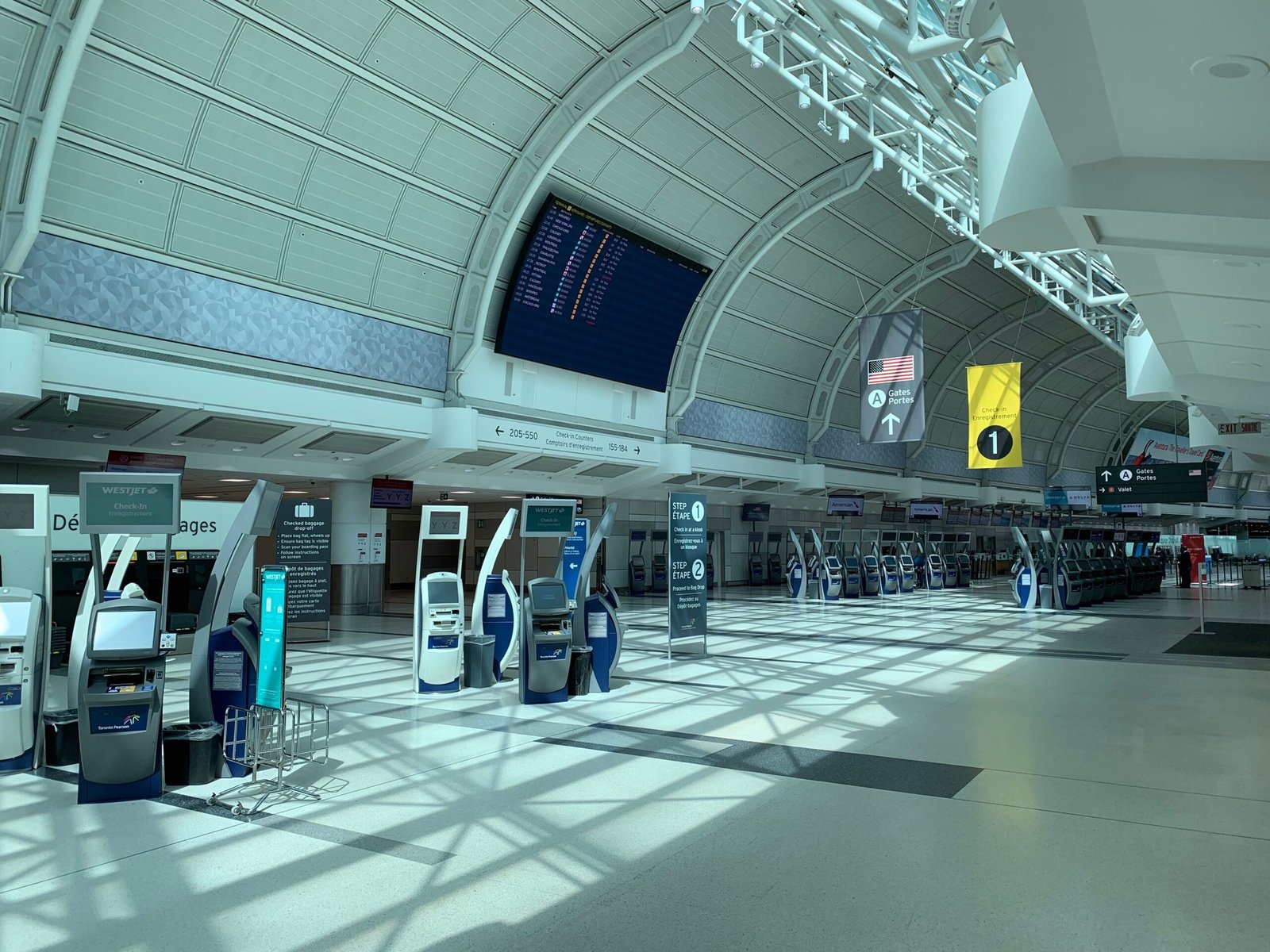
What Is Airport YVZ
Airport YVZ is Deer Lake Airport in Ontario, a public airport located near the community of Deer Lake in northwestern Ontario. The airport is identified in Ontario geographic records as CYVZ, and aviation references list its IATA identifier as YVZ. Current aviation sources place YVZ in Ontario and report its elevation at roughly 1,092 feet above mean sea level.
YVZ Airport Code and CYVZ ICAO Code
Airport identifiers can look like random combinations of letters until you understand how the aviation system uses them. Current aviation data lists Deer Lake Airport as YVZ and CYVZ, with the airport located in Ontario. Searching for YVZ or CYVZ provides a much more precise way to identify the Ontario facility. This is especially helpful for pilots, aviation enthusiasts, researchers, and travelers comparing airport databases.
Where Is Deer Lake Airport YVZ Located
Deer Lake Airport is located in Deer Lake, Ontario, in the northwestern part of the province. Ontario’s geographic information system lists Deer Lake at approximately longitude -94.0614 and latitude 52.6558, and aviation sources place the airport roughly three nautical miles north of the Deer Lake community. That location puts YVZ in a very different environment from the urban airports that most travelers encounter. The surrounding region is characterized by extensive forests, lakes, remote settlements, and long distances between communities, which helps explain why aviation can be so useful here. At a large metropolitan airport, passengers often have dozens of alternative transportation options, but in northern communities, regional air service can be a much more meaningful connection to other towns and transportation networks. The airport’s location also explains why its operations are closely tied to regional and northern aviation rather than international tourism. If you are planning to visit the area, do not confuse this Ontario airport with Deer Lake Regional Airport in Newfoundland and Labrador, whose IATA code is YDF. That distinction is one of the most important facts to understand when researching YVZ because both airports share the Deer Lake name while being separated by a huge geographic distance.
Location, Coordinates, and Elevation
The published coordinates for CYVZ Deer Lake Airport are approximately 52°39′20″ north and 94°03′40″ west, with an elevation of about 1,092 feet or 333 meters above mean sea level. These details may seem overly technical if you are simply searching for a flight, but they are important in aviation because coordinates and elevation allow pilots, flight-planning systems, navigation databases, and mapping services to identify the exact facility. The airport’s elevation also matters for aircraft performance calculations, especially when combined with temperature, runway length, aircraft weight, and weather conditions. The surrounding terrain and northern climate add another layer to operational planning, which is why aviation information for a smaller airport can be just as technically significant as information for a major airport. For ordinary travelers, the most useful takeaway is simply that YVZ is a northwestern Ontario airport, not an airport in Newfoundland. If you are entering the airport into a navigation application, flight-planning program, or aviation website, using CYVZ removes much of the ambiguity associated with the words “Deer Lake Airport.” The Ontario government’s geographic database also confirms the Deer Lake location associated with CYVZ, reinforcing the identification used by aviation sources.
Deer Lake Airport YVZ Runway Information
One of the most distinctive features of YVZ Airport is its runway. Aviation information lists a single runway designated 13/31, measuring approximately 3,506 feet by 100 feet, or about 1,069 meters by 30 meters, with a gravel surface. A runway of this size and surface tells you a lot about the airport’s role. YVZ is not built around the wide range of large commercial aircraft that operate at major Canadian hubs; instead, the facility is suited to regional aviation and aircraft appropriate for its operating environment. Gravel runways are especially relevant in remote areas because they can support aviation where building and maintaining extensive paved infrastructure may not be practical. Pilots must account for runway surface, aircraft performance, weather, runway condition, and operational requirements before landing or taking off. The published Canada Flight Supplement information also notes that runway strength and condition can be subject to seasonal and climatic variation, which is a useful reminder that northern aviation is closely connected to local weather and surface conditions. For anyone researching YVZ airport runway information, the central facts are therefore straightforward: YVZ has one primary runway, runway 13/31, and the runway is gravel rather than conventional asphalt or concrete.
Runway 13/31 and Surface Details
The runway designation 13/31 refers to the two directions from which the runway can be used, with the numbers corresponding approximately to magnetic headings. Current aviation references list the runway dimensions at about 3,506 by 100 feet and identify the surface as gravel. For a pilot, runway surface is not a minor detail because it can influence braking, acceleration, aircraft loading, and takeoff or landing performance. The published Canadian flight information also describes operational characteristics associated with runway 13/31 and notes that seasonal and climatic factors can affect runway strength and condition. Travelers generally do not need to calculate runway performance, but understanding the runway helps explain why the airport serves a different type of aviation market.
Airlines Serving Airport YVZ
Airline information for YVZ can change as regional operators adjust schedules, routes, aircraft, and service patterns, so travelers should verify current operations before making plans. Recent flight databases identify regional carriers associated with routes from Deer Lake, including Wasaya Airways, North Star Air, and Bearskin Airlines, although individual databases can differ in their route listings depending on the date and whether they count scheduled, historical, or current services. This is a good example of why searching only for an airline name without checking the current schedule can produce outdated information. Regional aviation is often more dynamic than people realize because smaller markets may have fewer weekly flights, seasonal adjustments, and route changes. A traveler looking for YVZ flights should therefore check the carrier directly or use a current flight schedule rather than assuming that a route shown in an older article is still operating today. The available current route information emphasizes domestic and regional flying rather than international passenger service, which fits the airport’s location and infrastructure. If you are researching YVZ airlines, focus on the specific travel date and destination instead of relying on a static list. This approach is especially important for smaller airports where a schedule can be much less frequent than at major Canadian hubs.
Flights and Destinations From YVZ
Current flight databases describe YVZ as a small Canadian airport with regional connections, and recent schedule information lists destinations including Poplar Hill, Sioux Lookout, North Spirit Lake, Pikangikum, and other northern communities depending on the operating period and carrier. These routes illustrate the practical purpose of the airport: connecting northern communities where aviation can provide an essential link across large geographic distances. Recent flight data also indicates that Sioux Lookout is among the longer direct connections from YVZ, while several other destinations are comparatively short regional flights. Because regional schedules can change, it is better to describe these as current or recently listed destinations rather than promise that every route operates every day throughout the year. This distinction matters for SEO content as well as real travelers because flight information becomes outdated quickly. If someone searches “flights from YVZ,” they are usually looking for a specific destination and date, so the most useful information is a combination of the airport’s role, known destinations, and a reminder to verify the live schedule.
Popular Routes From Deer Lake Airport
Among the routes recently listed for YVZ are connections to Sioux Lookout, Poplar Hill, North Spirit Lake, and Pikangikum, with flight frequency varying by destination and carrier. FlightConnections’ current information gives examples of relatively short regional flying times, including approximately 55 minutes between Sioux Lookout and YVZ and shorter flights from several northern communities. These travel times help demonstrate how YVZ fits into the regional transportation network. A route that looks small on a national map can be extremely useful when the alternative involves a long journey by road or a combination of multiple transportation methods. For people living or working in remote northern Ontario and neighboring areas, a regional flight can save substantial time and provide access to larger service centers. If you are researching a particular YVZ flight route, always check the airline’s latest timetable because route frequencies can change, and some databases may display historical or recently discontinued services alongside active routes.
What Aircraft Use YVZ Airport?
Current flight databases identify aircraft types associated with some YVZ services, including regional turboprop and utility aircraft, although the exact aircraft assigned to a route can change depending on operator requirements and scheduling. The runway’s gravel surface and relatively compact length naturally influence what kinds of aircraft are practical for operations. This makes airports such as YVZ particularly interesting to aviation enthusiasts because the aircraft and operations can be quite different from those found at major commercial airports. If you are searching for YVZ aircraft, remember that an airport database may show aircraft associated with a route during a particular month rather than guaranteeing that the same aircraft will appear on every flight. Regional operators can substitute aircraft as operational needs change, so live flight information is always more reliable for a specific trip.
Airport YVZ Facilities and Operations
YVZ is a small public airport rather than a large passenger terminal complex, and its published aviation information focuses heavily on operational details such as runway characteristics, communications, navigation, and flight procedures. SkyVector currently identifies CYVZ as a public, certified airport and lists the airport’s elevation, runway dimensions, surface, and aerodrome traffic information. This operational profile makes sense for an airport serving regional aviation in a remote area. Travelers accustomed to large airports should not expect the same collection of restaurants, lounges, retail stores, rental-car counters, parking structures, and extensive passenger services found at major hubs. Instead, the airport’s value comes from providing an aviation facility capable of supporting the needs of the surrounding region. For pilots, the most significant features are the runway, communications, navigation information, published procedures, and local operating conditions. For passengers, the most important consideration is usually whether their carrier operates the route they need on their chosen date. Understanding this difference can prevent unrealistic expectations and help travelers prepare appropriately. YVZ airport is important because it is functional and strategically located, not because it is large or packed with commercial amenities.
YVZ Airport Weather and Seasonal Conditions
Weather is a particularly important consideration when discussing Deer Lake Airport YVZ because the airport is located in northern Ontario and operates with a gravel runway whose condition can vary with seasonal and climatic factors. That means weather is not simply something passengers check to decide whether to pack a jacket; it can be part of the operational picture for aircraft, runway maintenance, and flight planning. Snow, freezing temperatures, precipitation, wind, and changing surface conditions can all affect aviation operations in northern environments. Travelers should therefore avoid assuming that a flight will operate exactly like a high-frequency service at a major airport. When traveling through YVZ, checking the latest airline notification and flight status close to departure is sensible, particularly during periods of challenging weather. Pilots and operators use much more detailed aviation weather information than passengers do, but the underlying principle is the same: weather can affect regional aviation schedules. If you are writing or researching airport YVZ information, this seasonal aspect adds useful context because it explains why operational details can matter more at a remote airport than they might appear to a casual traveler.
Why Weather Matters at a Northern Ontario Airport
Northern Ontario’s geography and climate create operating conditions that require careful planning. The published aviation information for YVZ shows that runway conditions can be subject to seasonal and climatic variation, which is especially relevant for a gravel runway. A traveler does not need to understand every aviation regulation to appreciate the basic issue: aircraft need a suitable runway, and runway conditions can change. Rain, snow, ice, freezing and thawing cycles, wind, and other environmental factors can affect airport operations and maintenance. This is one reason why current information is more valuable than a static airport article when someone has an actual flight booked. If your trip depends on a particular regional connection, allow some flexibility where possible and confirm the latest status before leaving for the airport. The same principle applies to people researching historical flights, aviation photography, or aircraft movements at CYVZ. Current conditions always take priority over general airport information.
How to Find Airport YVZ on Aviation Maps
The easiest way to identify YVZ on aviation maps is to search for CYVZ, YVZ, or “Deer Lake Airport Ontario.” Current mapping and aviation references place the airport at approximately 52.6556° north and 94.0612° west. Aviation mapping services also show runway 13/31, the airport elevation, and other operational details that help pilots understand the facility. For ordinary travelers, a normal map application may be enough to understand where the airport is located, but aviation-focused maps provide much more information. If you are comparing YVZ with another airport, use the code rather than relying solely on the name “Deer Lake.” This small habit can save a surprising amount of confusion, particularly because Newfoundland and Labrador also has an airport called Deer Lake Airport. When researching where is YVZ airport, always include “Ontario” in your search query if you want to make the location unmistakable.
YVZ Airport vs Other Deer Lake Airports
That airport uses the IATA code YDF, whereas the Ontario airport discussed in this article uses YVZ and the ICAO code CYVZ. Current aviation references clearly identify YVZ with Deer Lake, Ontario. This distinction is extremely important for anyone booking flights because choosing the wrong airport could mean planning a trip to an entirely different province. Search engines and third-party airport websites sometimes contain inaccurate or conflicting location descriptions, so checking multiple reliable aviation references is a sensible approach. Ontario government geographic data independently identifies Deer Lake with CYVZ, which helps resolve the ambiguity. The safest rule is simple: YVZ means Deer Lake, Ontario; YDF means Deer Lake, Newfoundland and Labrador. Once you know those codes, the confusion becomes much easier to avoid. If a travel website displays “Deer Lake” without clearly showing the airport code, check the code before booking.
Who Uses Deer Lake Airport YVZ?
YVZ serves a very different audience from a major Canadian international airport. Its users can include regional airline passengers, residents traveling between northern communities, workers, aviation professionals, cargo or logistics operators, private aircraft users, and other people who depend on regional air transportation. Historical Canadian aviation records also demonstrate the airport’s connection to regional northern operations, including flights involving nearby communities. The airport’s location and runway characteristics make it especially relevant to aviation networks serving remote areas, where air travel can be an efficient way to bridge long distances. The experience is likely to feel very different from passing through a major airport with extensive commercial infrastructure. Instead of thinking of YVZ as a miniature Pearson Airport, think of it as a specialized aviation link designed around the needs of northern Ontario.
Why Airport YVZ Matters to Northern Ontario Communities
Airports in remote regions can play a much larger role than their size suggests. Northwestern Ontario contains communities separated by forests, lakes, difficult terrain, and long distances, making aviation an important component of regional connectivity. The current route information associated with YVZ shows connections with several northern communities, illustrating how the airport participates in a network rather than operating as an isolated facility. For residents, workers, businesses, and service providers, a regional flight can make a substantial difference in travel time and accessibility. This is why an airport such as YVZ deserves attention even though it does not have the traffic levels of Canada’s biggest airports. Its value comes from its location and function. In a large city, transportation options can overlap, but remote communities often have fewer alternatives. YVZ helps support regional mobility, and that makes it a meaningful part of the aviation infrastructure of northern Ontario. Anyone writing about the airport should therefore focus not only on its code and runway but also on the transportation role it plays in a geographically challenging region.
Tips for Planning a Trip Through YVZ
If you are planning to travel through YVZ airport, start by confirming the airport code before doing anything else. Make sure your booking, itinerary, map, and flight search all show YVZ or CYVZ and indicate Deer Lake, Ontario. Because YVZ is a regional airport, flight frequency may be considerably lower than what you would find at a major hub, so flexibility can be useful when planning your journey. Check the airline’s current schedule rather than relying on an old travel article or a static airport database, particularly if you are traveling several weeks or months from now. You should also check your flight status close to departure because regional services can be more sensitive to operational and weather conditions. Current sources show that YVZ has regional connections, but schedules and carriers can change over time. Finally, do not confuse the airport with the Deer Lake airport in Newfoundland and Labrador. That one uses YDF, not YVZ. A few minutes spent checking the code can prevent a very expensive travel mistake.
How to Check Current YVZ Flight Information
The best way to check current YVZ flight information is to combine a current flight-status source with the airline operating your specific route. Third-party aviation databases can be excellent for understanding airport codes, destinations, aircraft, and route networks, but schedules can change and some websites may retain historical routes. Recent sources show that YVZ has a relatively small regional network, with current databases listing several domestic destinations and regional operators. For a real trip, however, the most important information is the status of your particular flight on your particular date. Look for the correct airport code, departure time, destination, carrier, and any schedule updates. This two-code approach—YVZ for general passenger identification and CYVZ for aviation identification—makes research much easier. It also reduces the risk of accidentally using information for the wrong Deer Lake airport.
Conclusion
Airport YVZ is Deer Lake Airport in Ontario, Canada, identified by the IATA code YVZ and ICAO code CYVZ. It is a small regional airport located near Deer Lake in northwestern Ontario, with a single runway designated 13/31 and a gravel surface. The airport’s biggest source of confusion is its name: another Deer Lake Airport exists in Newfoundland and Labrador, but that airport uses YDF rather than YVZ. Once that distinction is clear, researching YVZ becomes much easier. Whether you are a traveler, aviation enthusiast, researcher, or someone who simply encountered the code in a flight database, the most useful facts to remember are YVZ = Deer Lake, Ontario and CYVZ = its ICAO identifier. The airport may be small, but its regional role demonstrates why aviation infrastructure can be extremely valuable in northern communities where distances and geography make transportation challenging.
FAQs About Airport YVZ
1. What does YVZ stand for?
YVZ is the IATA airport code for Deer Lake Airport in Ontario, Canada. The corresponding ICAO code is CYVZ. Current Ontario geographic information and aviation sources identify the airport with Deer Lake, Ontario.
2. Where is YVZ Airport located?
YVZ Airport is located near Deer Lake, Ontario, in northwestern Ontario. Published coordinates place it around 52.6558° north and 94.0614° west.
3. What is the runway at YVZ Airport?
YVZ has one main runway, 13/31, measuring approximately 3,506 feet by 100 feet, with a gravel surface.
4. Is YVZ Airport the same as YDF?
No. YVZ is Deer Lake Airport in Ontario, while YDF is Deer Lake Airport in Newfoundland and Labrador. Checking the IATA code is the easiest way to distinguish them.
5. What destinations can you fly to from YVZ?
Recent flight databases list regional destinations including Sioux Lookout, Poplar Hill, North Spirit Lake, and Pikangikum, with available routes and frequencies subject to change.
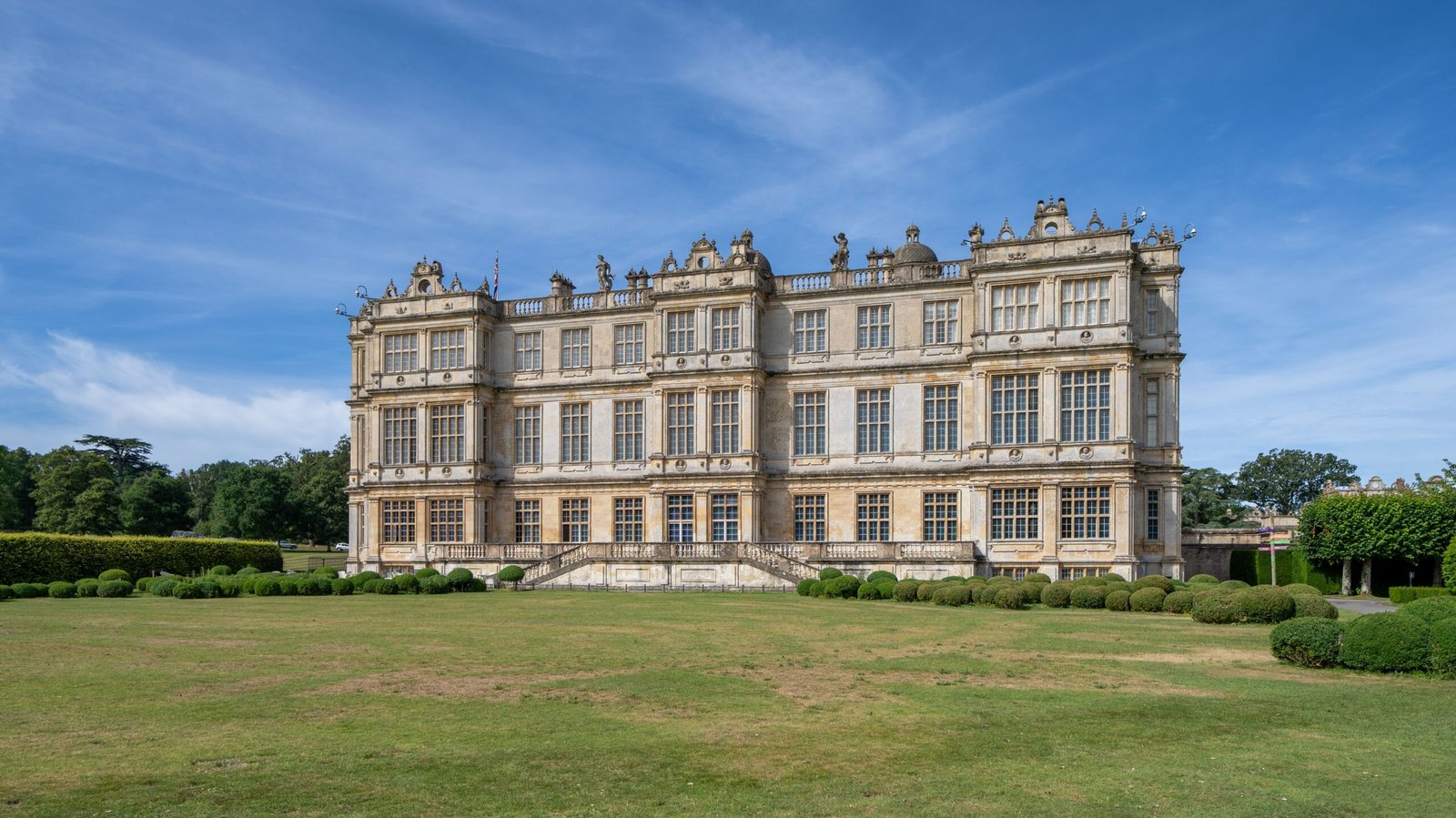
Burghley House is one of England’s most remarkable Elizabethan country houses and an important historic attraction near Stamford in Lincolnshire. Built for William Cecil, Lord High Treasurer to Queen Elizabeth I, construction began in 1555 and continued into the 1580s. Today, the estate combines an extraordinary historic house with impressive State Rooms, art collections, landscaped gardens, extensive parkland and family attractions, creating a destination that offers much more than a traditional historic-house visit. Burghley remains closely connected with the Cecil family and has developed into a major visitor attraction while continuing to preserve its architectural, artistic and landscape heritage.
For anyone searching for Burghley House Stamford, the attraction is particularly interesting because it brings together several different experiences in one estate. Visitors can explore the grand interiors of the house, discover the Garden of Surprises, walk through the Sculpture Garden, enjoy views across the landscape associated with Lancelot “Capability” Brown, and spend time in the surrounding parkland. Its location close to Stamford also makes Burghley an attractive destination for people planning a wider day out in this historic part of England. Whether your interest is architecture, British history, art, gardening, photography, family activities or simply walking through beautiful landscapes, Burghley offers several ways to experience the estate.
The History of Burghley House
The story of Burghley House begins in the reign of Queen Elizabeth I with William Cecil, one of the most influential statesmen of Tudor England. Cecil began constructing the house in 1555, and the work continued for more than three decades. Historic England describes Burghley as one of the most impressive surviving sixteenth-century buildings in England, while noting that the property has remained in the Cecil family throughout its history. The original vision was not simply to create a comfortable residence but to establish a building that reflected status, power and sophistication. Its architecture, imposing towers and elaborate decorative features demonstrate the ambition behind the project.
The estate continued to evolve after William Cecil’s death. Later generations added to the collections, modified the landscape and introduced new architectural and garden features. During the seventeenth century, the grounds underwent substantial changes, including the creation of formal gardens, terraces, ponds and other landscape elements. In the eighteenth century, Lancelot “Capability” Brown became particularly important to Burghley’s landscape history. His work transformed sections of the previously formal landscape into the sweeping naturalistic parkland associated with the estate today. The result is a fascinating combination of Tudor architecture, later decorative developments and eighteenth-century landscape design.
Architecture and the State Rooms
One of the main reasons people visit Burghley House is its remarkable architecture and interiors. The house is a substantial Elizabethan mansion arranged around a courtyard, with towers and distinctive exterior details that contribute to its dramatic appearance. Inside, visitors encounter grand State Rooms containing historic works of art, furniture, ceramics and other objects collected and preserved over generations. Burghley describes the property as a home containing magnificent State Rooms, important works of art and priceless treasures, while its visitor information emphasizes the connection between the building, the Cecil family and more than five centuries of history.
The interiors are especially valuable for understanding how a major English country house developed over several centuries. Rather than representing only one historical period, Burghley contains layers of architectural, artistic and decorative history. Visitors can see features associated with its Elizabethan origins alongside later additions and collections. Among the highlights described by Burghley are the Tudor kitchen, magnificent State Rooms, the Great Hall and the famous Hell Staircase, whose decoration is associated with Antonio Verrio. The combination of architecture, paintings, furniture and decorative arts helps explain why Burghley is regarded as both a historic home and a significant treasure house.
Burghley House Gardens
The Burghley House gardens provide a completely different experience from the interiors of the mansion. The gardens combine historic design ideas, contemporary planting, sculpture and playful features, giving visitors the opportunity to explore the estate at a slower pace. Burghley currently highlights two major garden experiences: the Sculpture Garden and the Garden of Surprises. Each has its own atmosphere, and together they demonstrate how the estate’s landscape has evolved while retaining connections to its historic past.
The Garden of Surprises is particularly distinctive because it draws inspiration from Elizabethan interests in astrology, astronomy and classical civilisation. Hidden features are revealed as visitors move through the garden, including water features, a moss house, a mirrored maze and a longitudinal dial. This makes the garden more interactive than a conventional formal garden and gives families and younger visitors plenty to discover. The Sculpture Garden provides a quieter contrast, functioning as an open-air gallery where contemporary sculpture is displayed among planting, wildflowers, mature trees and views toward the lake.
Capability Brown and Burghley Parkland
The landscape surrounding Burghley is another major part of the estate’s identity. Lancelot “Capability” Brown played a major role in reshaping the park during the eighteenth century, creating broad vistas and a more naturalistic landscape. The Deer Park that visitors see today reflects Brown’s approach, with mature trees, expansive views and the house forming part of the wider composition. The parkland provides an opportunity to experience Burghley without necessarily entering the house itself.
The parkland is also important from a practical visitor perspective because it provides space for walking and outdoor activities. Burghley states that the parkland is open daily from 7am until dusk, and access to the parkland itself is free. Dogs are welcome in the wider parkland but must be kept on leads for the protection of livestock and wildlife. This makes the surrounding landscape useful not only for visitors touring the house and gardens but also for people looking for an enjoyable countryside walk near Stamford.
Things to Do at Burghley House
There are several ways to build a day around Burghley House. A traditional visit can begin with the historic house and State Rooms, followed by time in the gardens and a walk through the parkland. Visitors interested in gardening can devote more time to the Sculpture Garden and Garden of Surprises, while families may want to include the Hide & Secrets Adventure Play attraction. Burghley’s visitor program also includes special events and seasonal activities, meaning the experience can vary depending on the date of your visit.
Guided experiences provide another way to explore the estate. Burghley offers house tours and garden tours for groups, while specialist experiences can focus on the history of the house, its collections, the gardens or the parkland. The estate also offers conservation-focused tours that provide insight into the work required to preserve historic furniture and textiles. For visitors who want more than a self-guided walk through the property, these experiences can provide additional historical and practical context.
Burghley House Tickets and Opening Times
If you are planning a visit, checking the official opening information before travelling is important because opening schedules can change throughout the year. For the 2026 main season, Burghley states that the House, Gardens and Adventure Play remain open through Sunday 1 November, with the Gardens and Adventure Play also reopening for two additional weekends in November. The House is generally open Saturday through Thursday from 10:30am to 4:30pm, while the Gardens and Adventure Play are open daily from 10am to 5pm. The parkland is open daily from 7am until dusk.
Burghley recommends purchasing tickets online in advance, particularly because popular dates can fill up. Its FAQ states that advance online booking can save up to 10 percent when completed by midnight on the day before the visit. The site also explains that parkland access is free and does not require advance booking. Current ticket prices should be checked directly with Burghley before travelling because admission prices and seasonal arrangements can change.
How to Get to Burghley House
Burghley House is located near Stamford in Lincolnshire and is close to the A1. The official address is Burghley House, Stamford, Lincolnshire, PE9 3JY. The estate advises visitors to follow its specific driving directions because some satellite-navigation systems may attempt to route vehicles through parkland roads that are not open to visitors. Free parking is available, and electric vehicle charging points are also available on site.
Public transport is another option for visitors. Stamford railway station is approximately half a mile from the parkland entrance and around 1.5 miles from Burghley House itself. A local Delaine bus service also stops opposite the main visitor entrance on Barnack Road. Visitors can therefore combine a trip to Burghley with time exploring Stamford, making the area particularly suitable for a full day rather than a brief stop.
Burghley House for Families
Burghley is not limited to visitors interested in historic architecture. Families can combine the educational aspects of the house and gardens with dedicated children’s activities. Hide & Secrets Adventure Play provides an outdoor experience alongside the estate’s historic attractions, while the Garden of Surprises offers interactive features that can appeal to younger visitors. This combination means families can divide their day between cultural exploration and outdoor play rather than relying entirely on a traditional house tour.
The parkland also provides additional space for families who want to spend time outdoors. Because the estate includes extensive open landscapes, mature trees and views toward Stamford, it offers opportunities to slow down after exploring the more formal attractions. Families should nevertheless check the current opening arrangements for each individual attraction before visiting because the House, Gardens, Adventure Play and parkland can have different operating schedules.
Why Burghley House Is Historically Important
Burghley House is significant because it represents several centuries of English architectural, political, artistic and landscape history in one location. Its origins are closely connected with William Cecil and the Elizabethan period, while subsequent generations of the Cecil family continued developing the house and its collections. The landscape tells another part of the story, moving from earlier formal designs toward the naturalistic approach associated with Capability Brown. The property therefore provides an unusually broad view of how a major English country estate changed over time.
Its collections are another important part of the experience. Burghley says that many paintings, ceramics and works of art remain in locations where they were recorded historically, helping preserve a connection between the collections and the house itself. This continuity contributes to the atmosphere of Burghley as a living historic estate rather than simply a museum building. Visitors can therefore experience the architecture, objects, gardens and parkland as interconnected parts of the same long history.
Conclusion
Burghley House offers an impressive combination of Tudor history, Elizabethan architecture, fine art, historic interiors, gardens and expansive countryside. Built by William Cecil beginning in 1555, the house has developed over centuries while remaining associated with the Cecil family. Its State Rooms provide an opportunity to explore historic collections and architecture, while the Garden of Surprises and Sculpture Garden offer very different outdoor experiences. Beyond the formal gardens, the parkland shaped by Capability Brown adds another dimension to the visit, providing expansive views and opportunities to walk through the historic landscape.
For anyone planning a trip to Burghley House Stamford, the attraction can easily form the centerpiece of a full day. Checking the official opening times and ticket information before travelling is recommended, particularly because seasonal schedules can vary. With its combination of history, art, architecture, gardens, family attractions and parkland, Burghley remains one of the most distinctive historic destinations in the Stamford area.
Frequently Asked Questions About Burghley House
What is Burghley House famous for?
Burghley House is famous for its Elizabethan architecture, its connection with William Cecil and Queen Elizabeth I’s reign, its historic State Rooms and collections, and its extensive gardens and parkland. It is regarded by Historic England as one of the most impressive surviving sixteenth-century buildings in England.
Where is Burghley House?
Burghley House is near Stamford in Lincolnshire, England. The official postal address is Burghley House, Stamford, Lincolnshire, PE9 3JY. It is close to the A1 and approximately 1.5 miles from Stamford railway station.
Who built Burghley House?
Burghley House was built by William Cecil, Lord High Treasurer to Queen Elizabeth I. Construction began in 1555 and continued into the 1580s.
Can you visit the gardens at Burghley House?
Yes. The gardens include the Garden of Surprises and Sculpture Garden, with different features ranging from interactive water and maze elements to contemporary sculpture and naturalistic planting.
Is Burghley House open in 2026?
Yes. Burghley’s published 2026 schedule states that the main season for the House, Gardens and Adventure Play runs until 1 November 2026, with additional November weekends for the Gardens and Adventure Play. Visitors should check the official opening-times page before travelling.
Is Burghley House suitable for families?
Yes. In addition to the historic house and gardens, Burghley has Hide & Secrets Adventure Play and other family-oriented activities, making it possible to combine historical sightseeing with outdoor entertainment.
Is parking available at Burghley House?
Yes. Burghley states that visitor parking is free, with designated disabled parking and electric vehicle charging points available on site.
Can you walk in Burghley Park?
Yes. The parkland is open daily from 7am until dusk, and access to the parkland is free. Dogs are permitted in the wider parkland but should be kept on leads.
Suggested SEO meta description:
Discover Burghley House near Stamford, including its Elizabethan history, State Rooms, gardens, Capability Brown parkland, tickets, opening times and visitor tips.


2026 GMC 2500: Complete Guide to the Sierra 2500 HD

Burghley House: History, Gardens, Tickets, Things to See and Complete Visitor Guide

Cadillac Small SUV: A Complete Guide to Compact Luxury SUVs

3F Epic Seven Guide (2026): Best Heroes, Builds, Uses, Counters, and Everything You Need to Know

Steven Cauble Pastor: Biography, Ministry, Family, Career, and Life Beyond the Spotlight

Best Free Photo Editing App for iPhone: 12 Amazing Apps to Transform Your Photos in 2026
 Tech4 months ago
3F Epic Seven Guide (2026): Best Heroes, Builds, Uses, Counters, and Everything You Need to Know
- Lifestyle4 months ago
Steven Cauble Pastor: Biography, Ministry, Family, Career, and Life Beyond the Spotlight
- Tech4 months ago
Best Free Photo Editing App for iPhone: 12 Amazing Apps to Transform Your Photos in 2026
- Health4 months ago
How to Make Ginger Tea for Cold: A Complete Guide to Natural Relief
- Tech4 months ago
How to Get More Instagram Followers Fast: 20 Proven Strategies to Grow Organically in 2026
- Lifestyle4 months ago
Neil Joseph Tardio Jr.: Biography, Career, Family, Net Worth, and Everything You Should Know
- Tech4 months ago
Motherboard Repair: Complete Guide to Diagnosis, Common Problems, Costs, and Professional Fixes
- Business4 months ago
Earnstark com: Complete Guide, Features, Benefits, Reviews, and How It Works in 2026